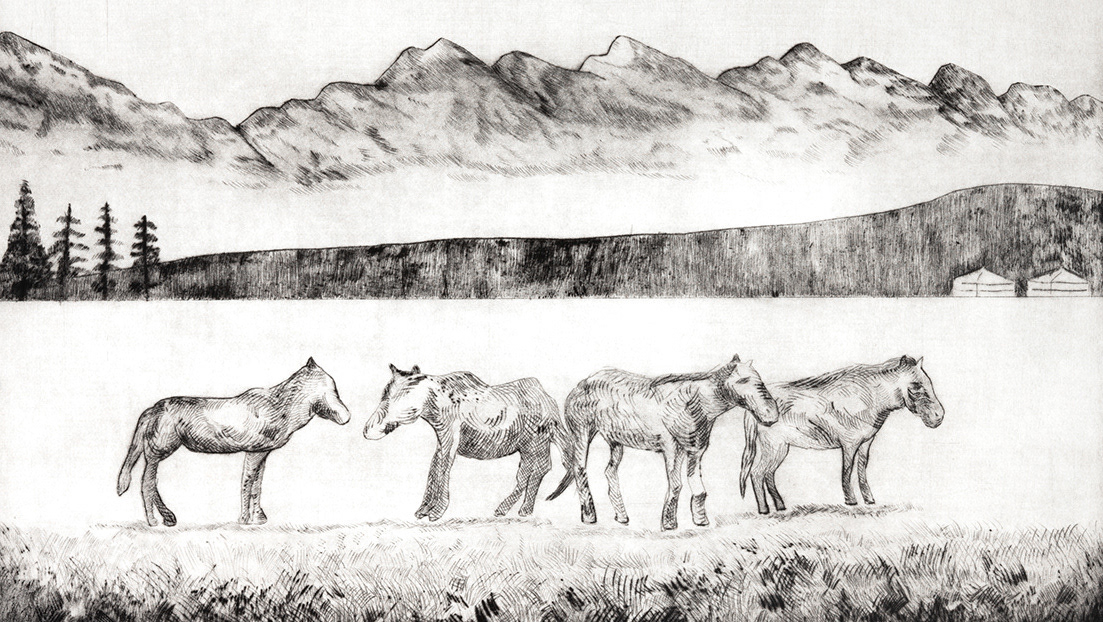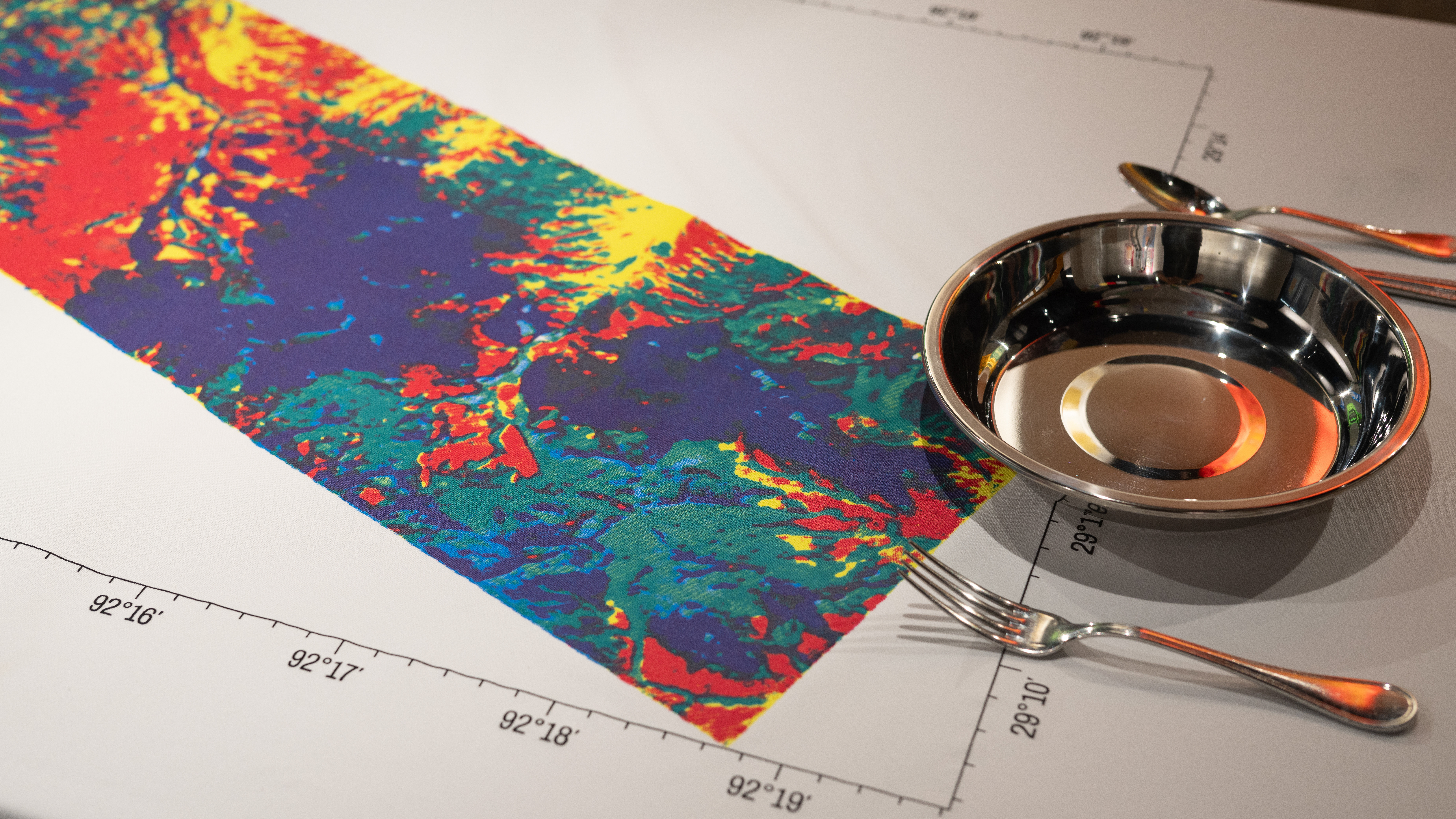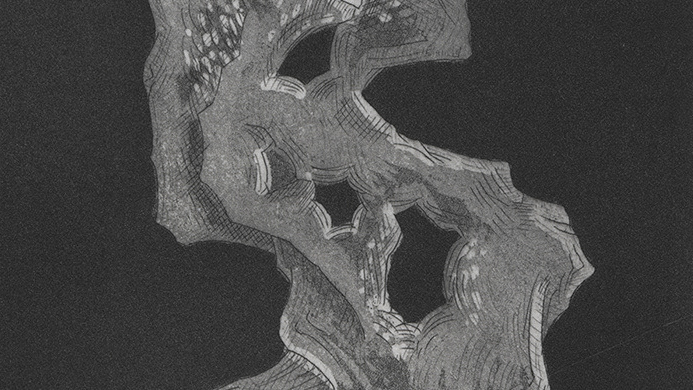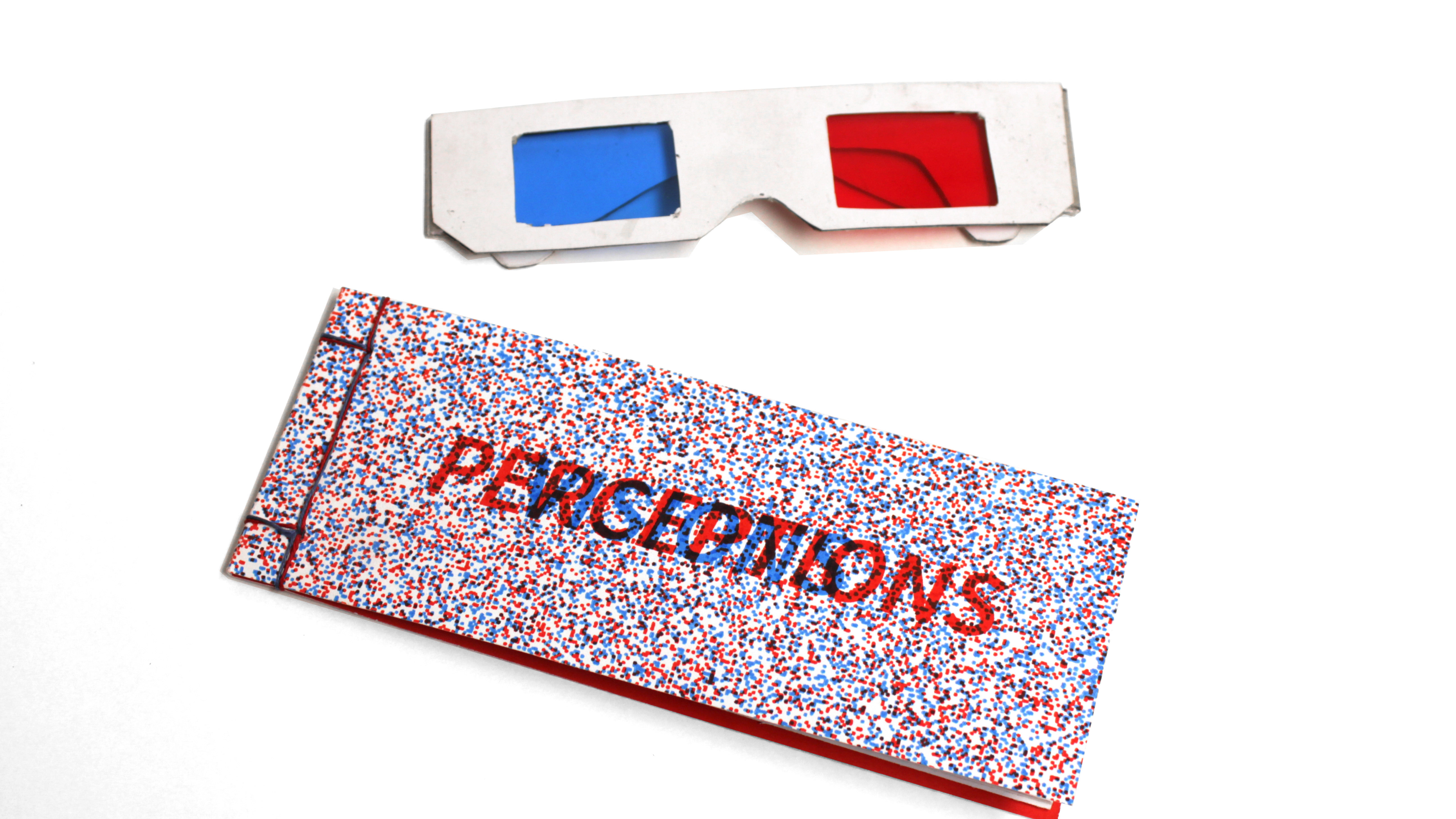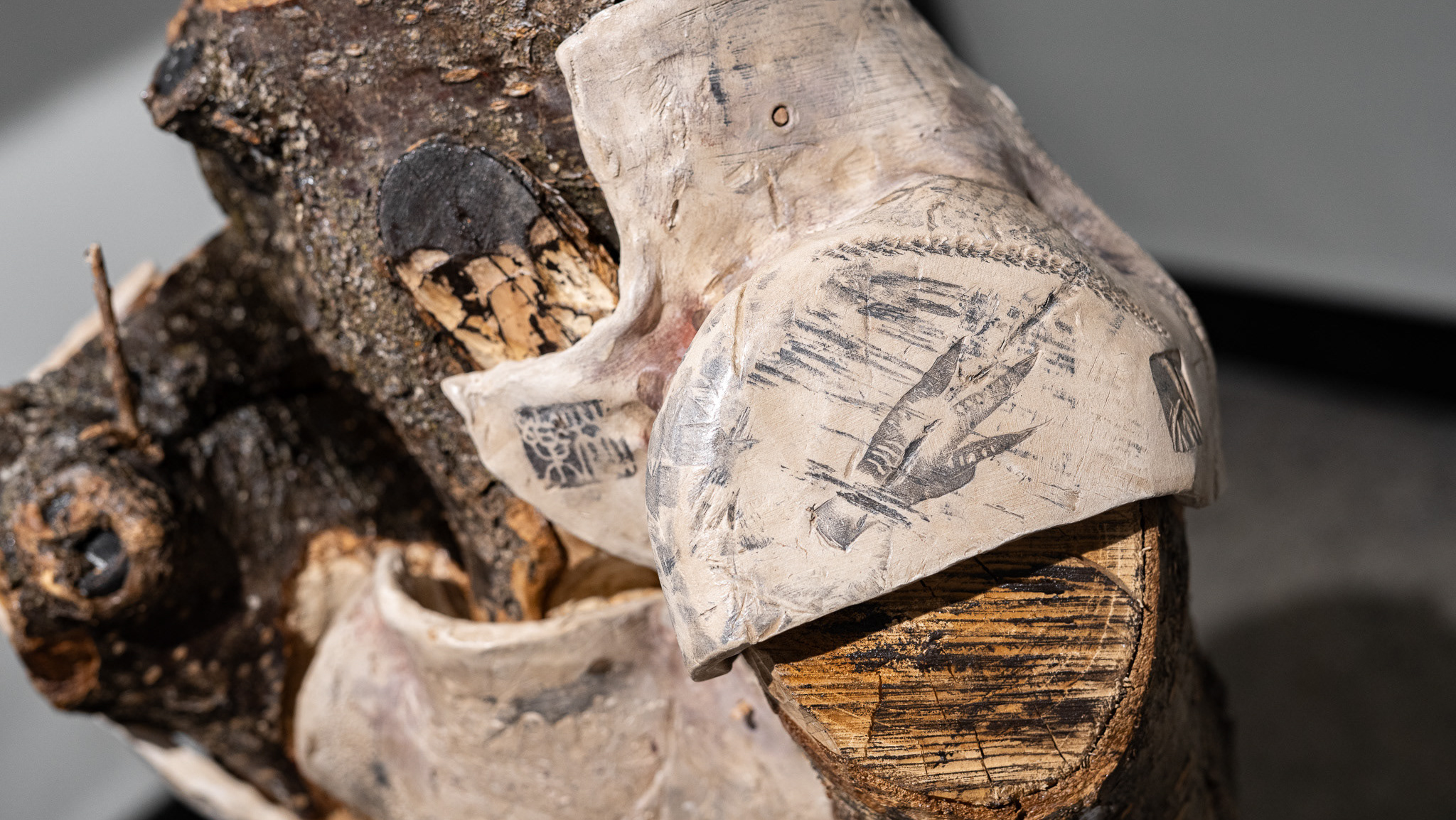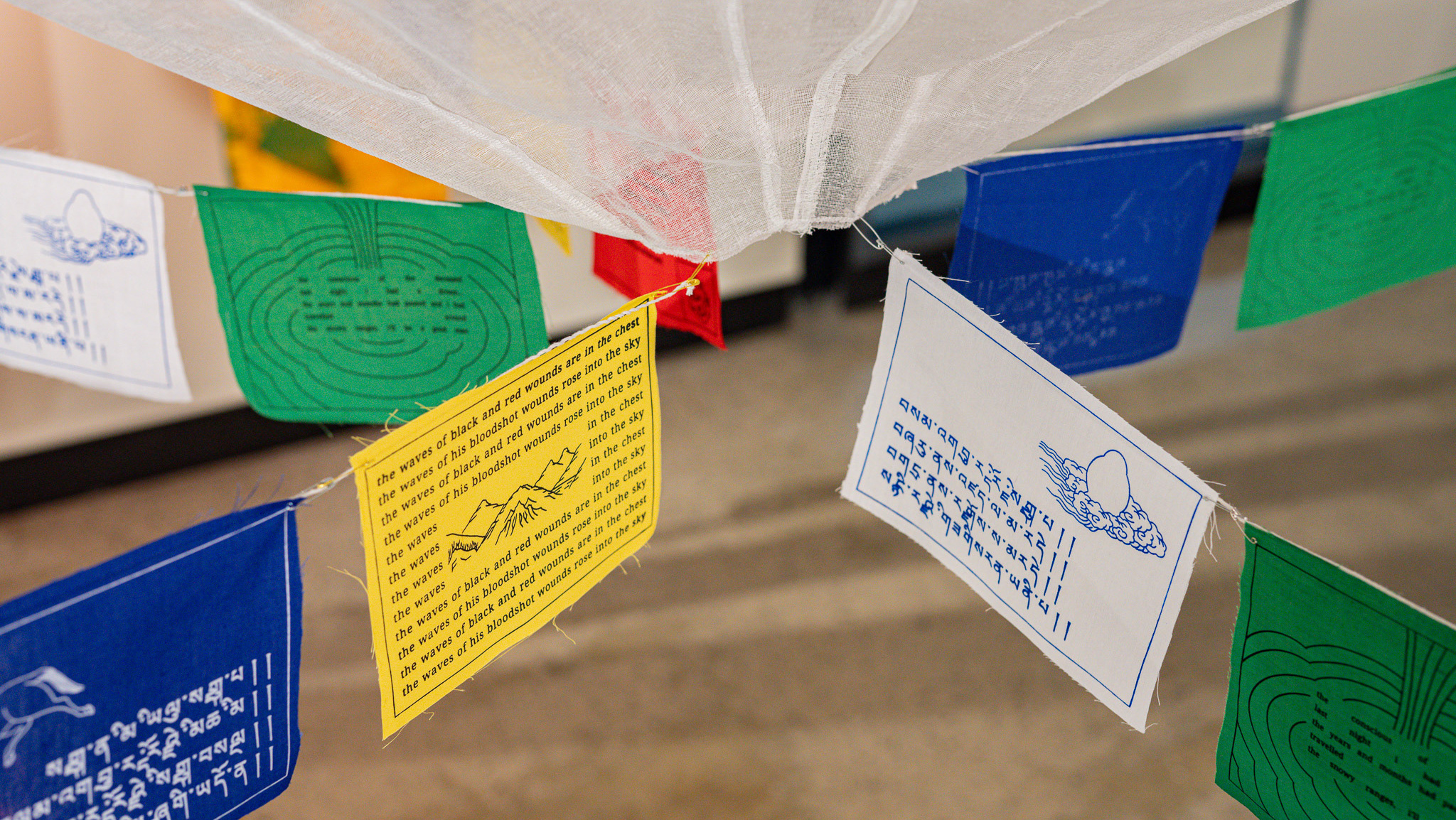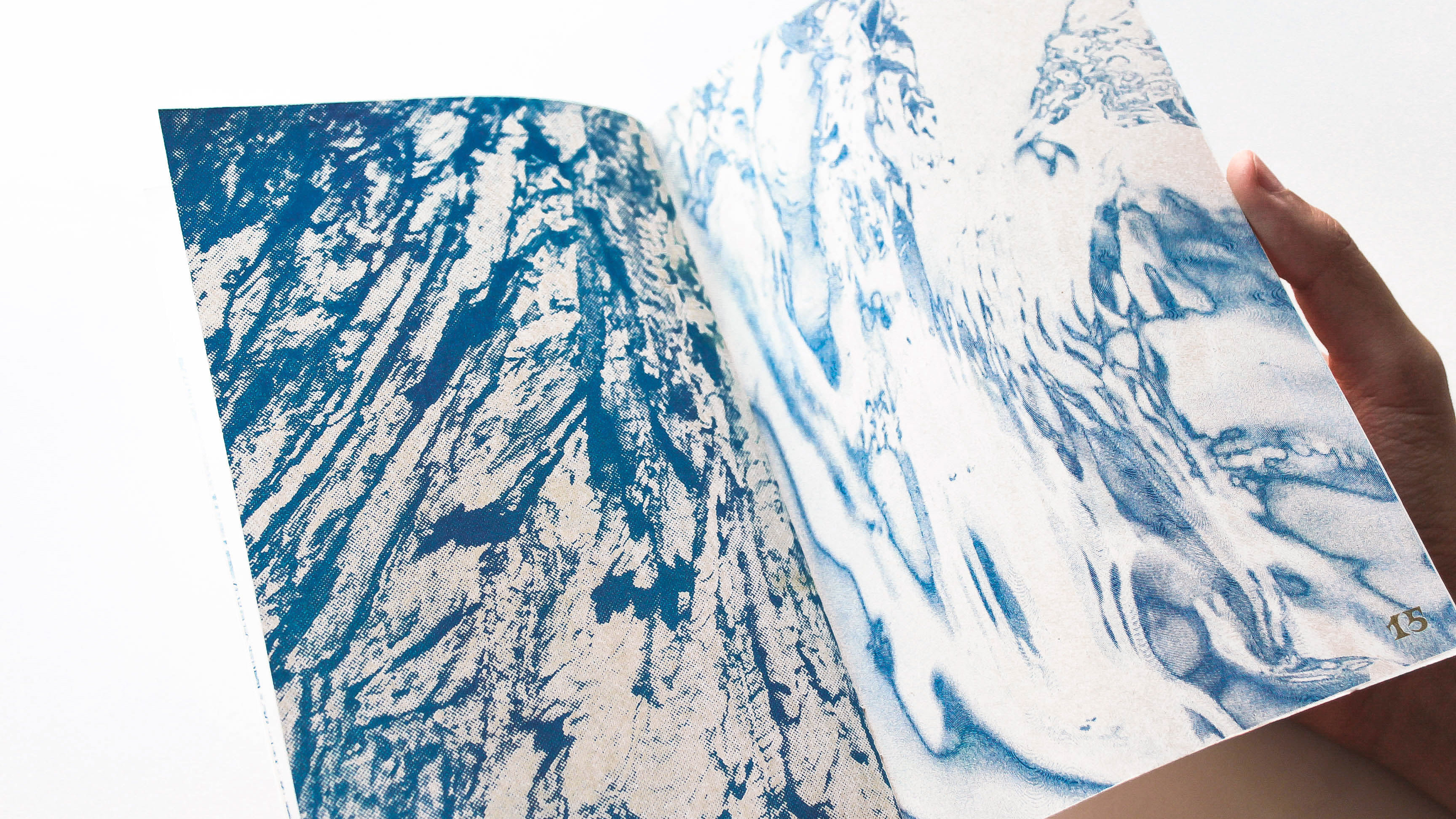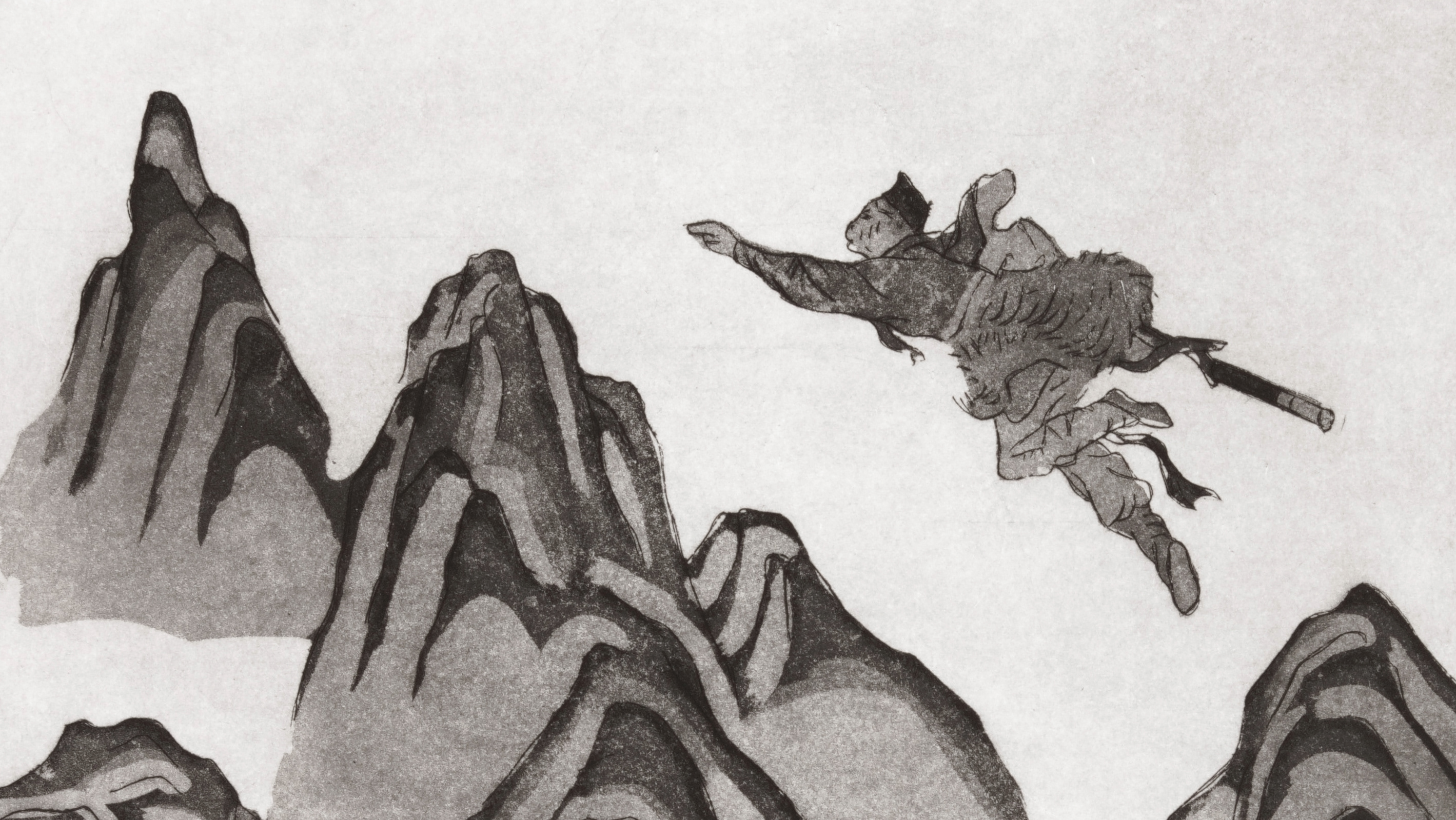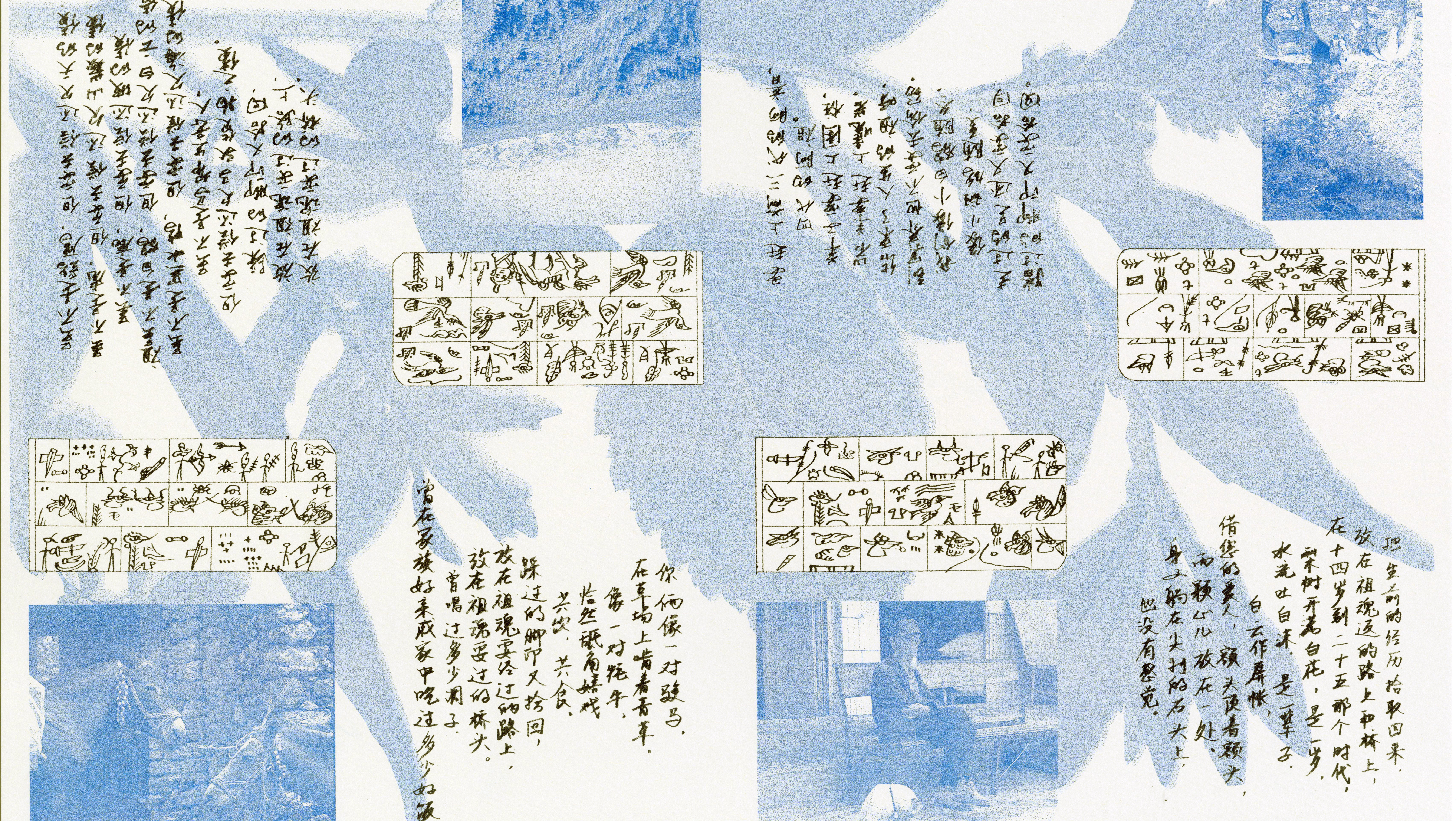
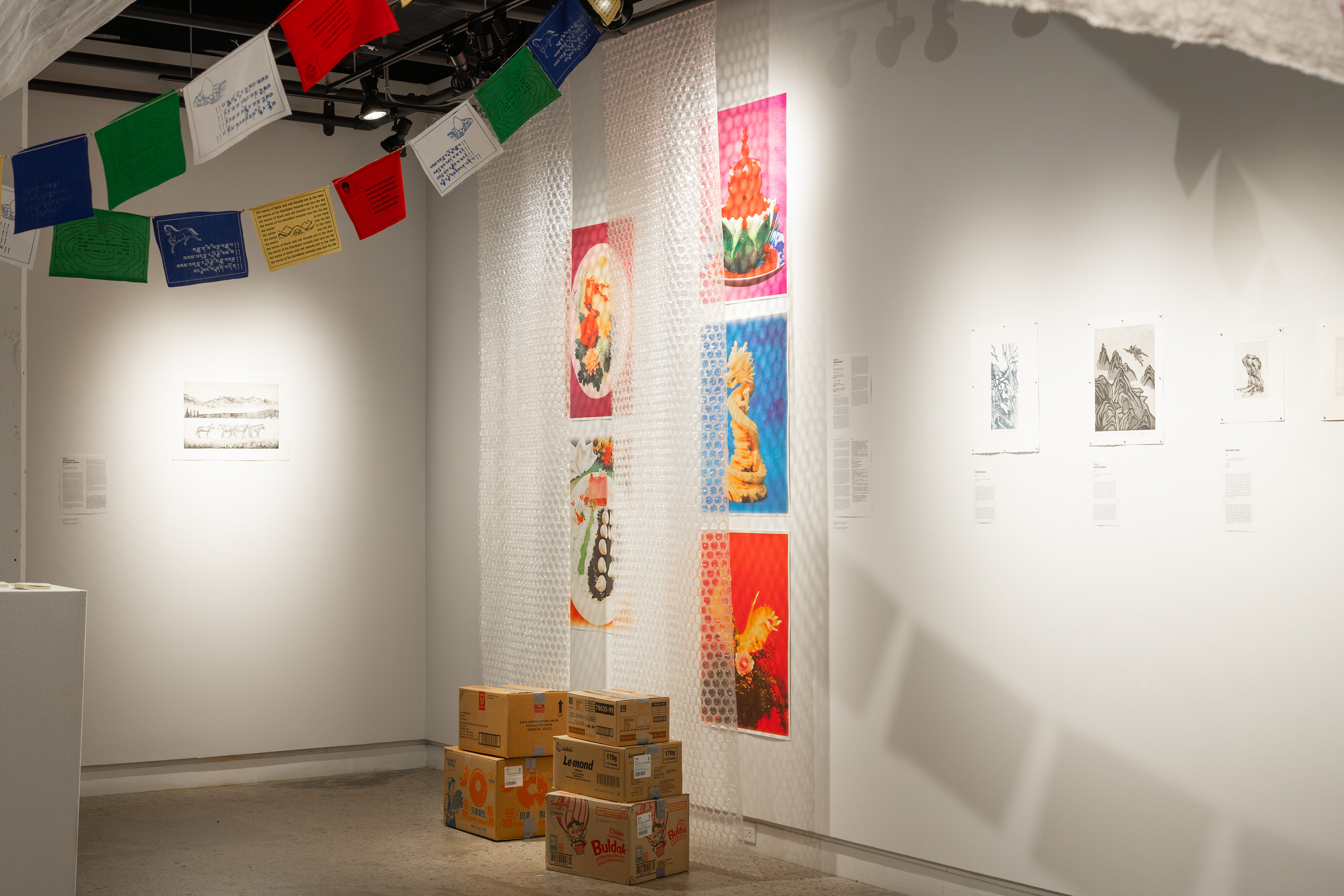
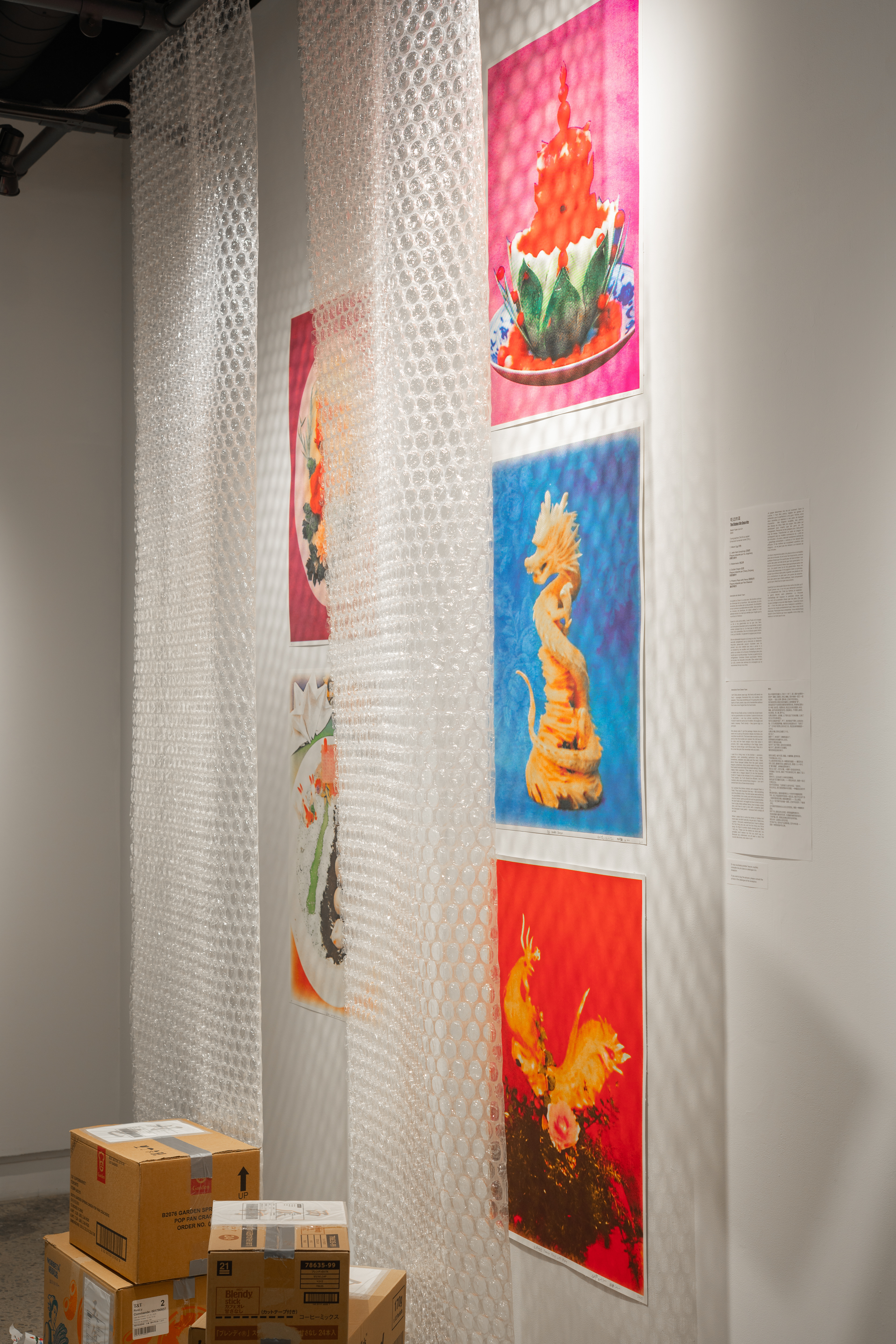
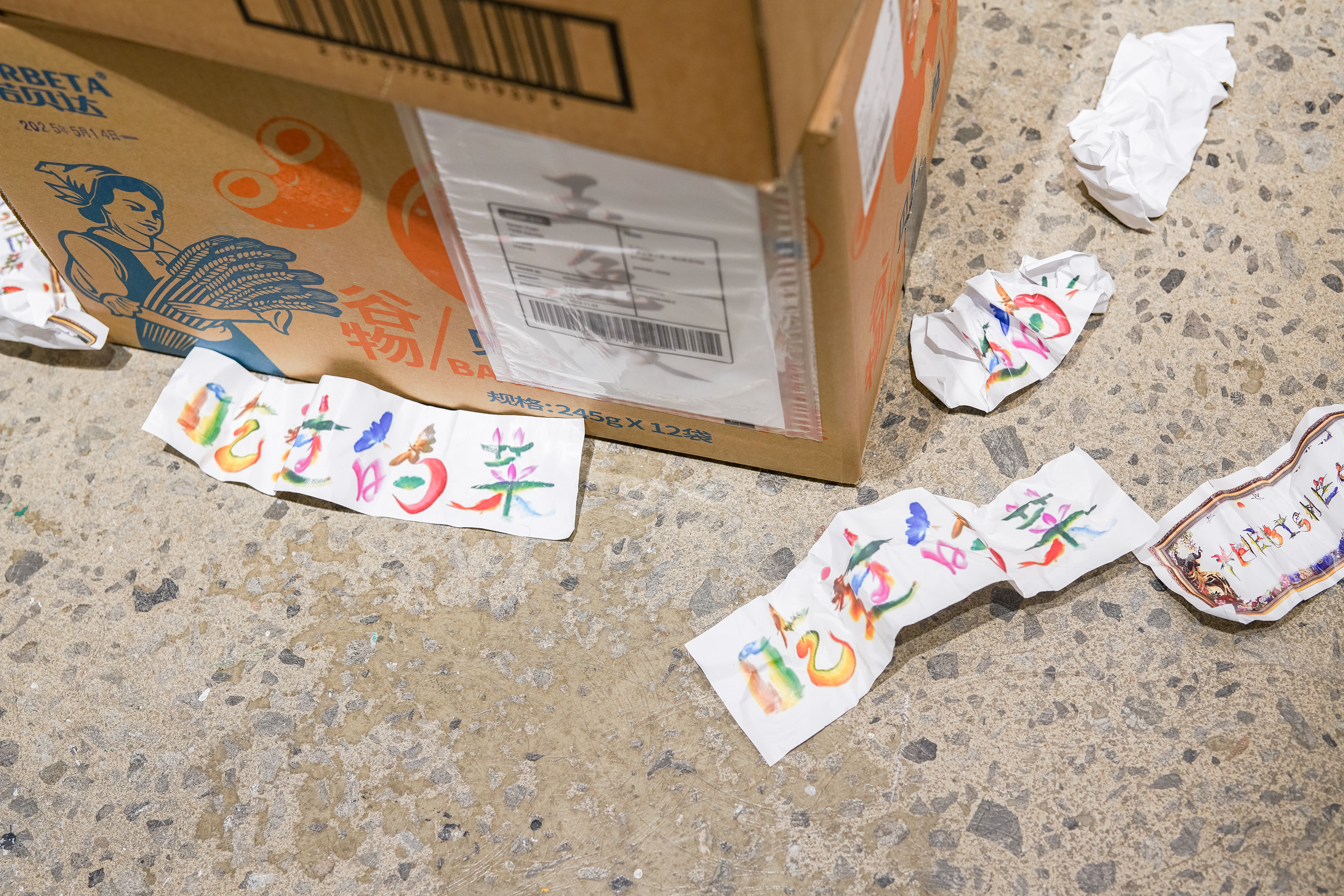
Part of the Series The Other Side of Mountains, 2025
Seven Yuan x Le Lin
2025
5 CMYK process silk screen print on Enhanced Somerset velvet 250g paper
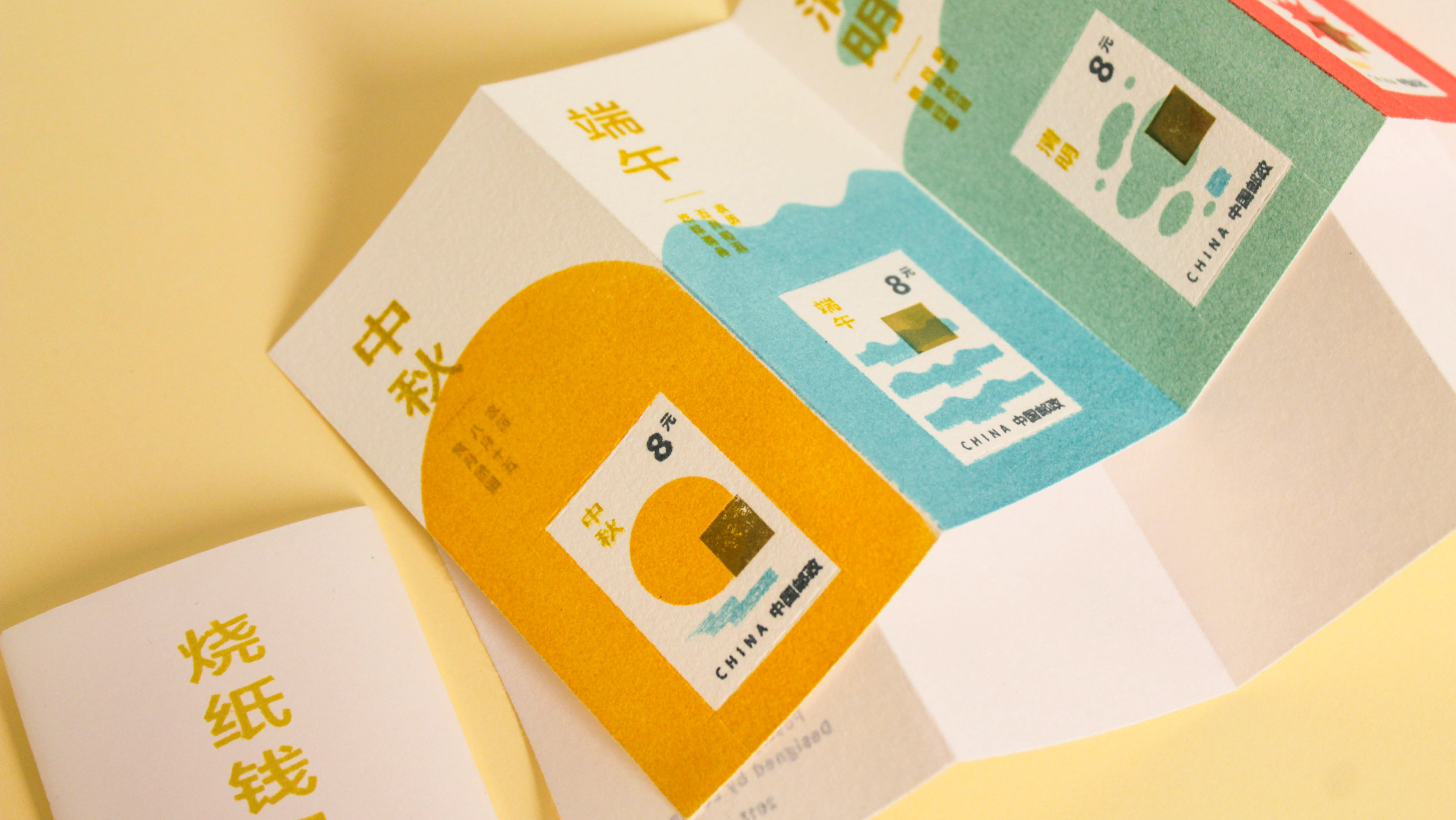
Seven Yuan x Le Lin
2025
5 CMYK process silk screen print on Enhanced Somerset velvet 250g paper
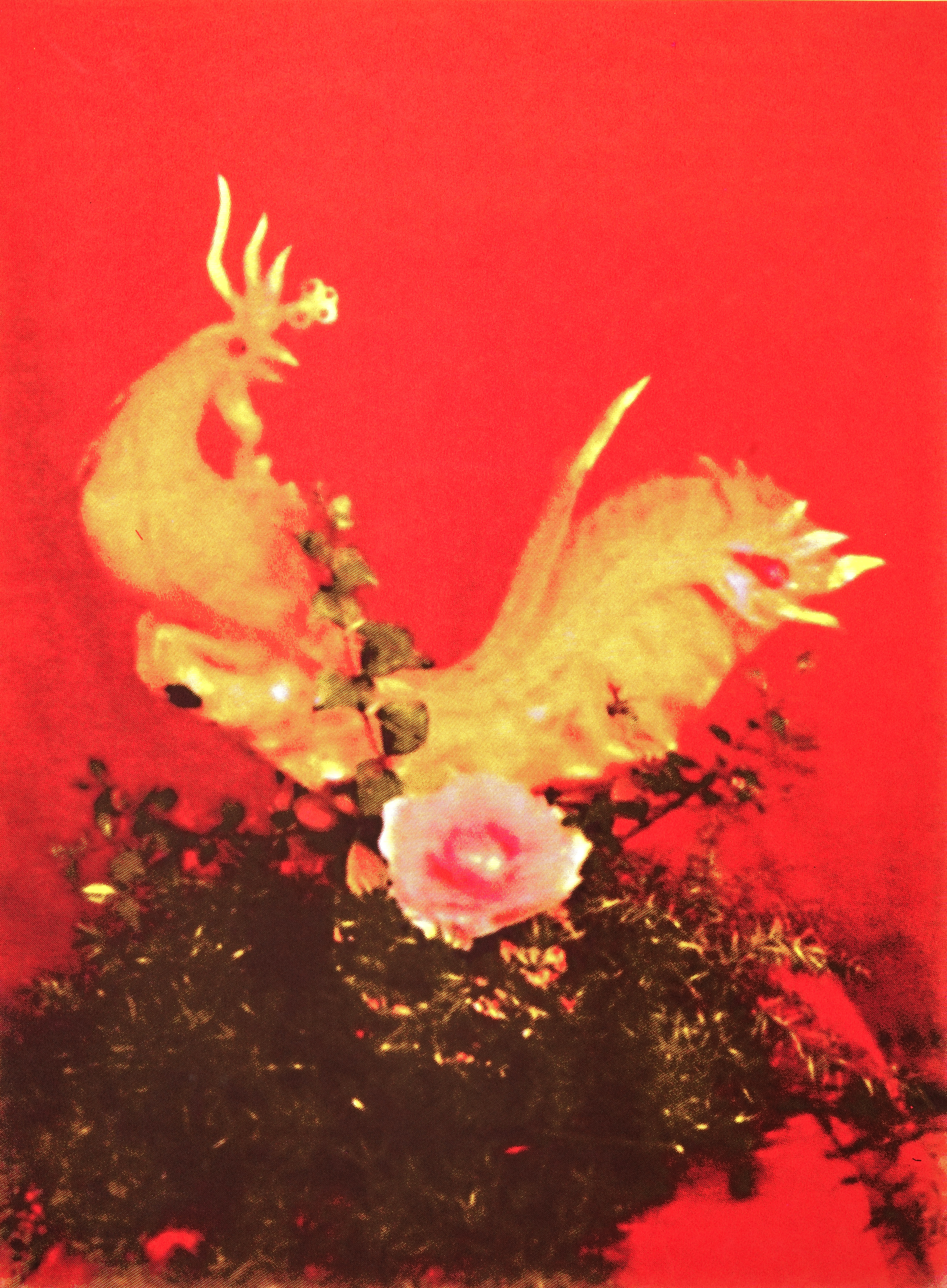
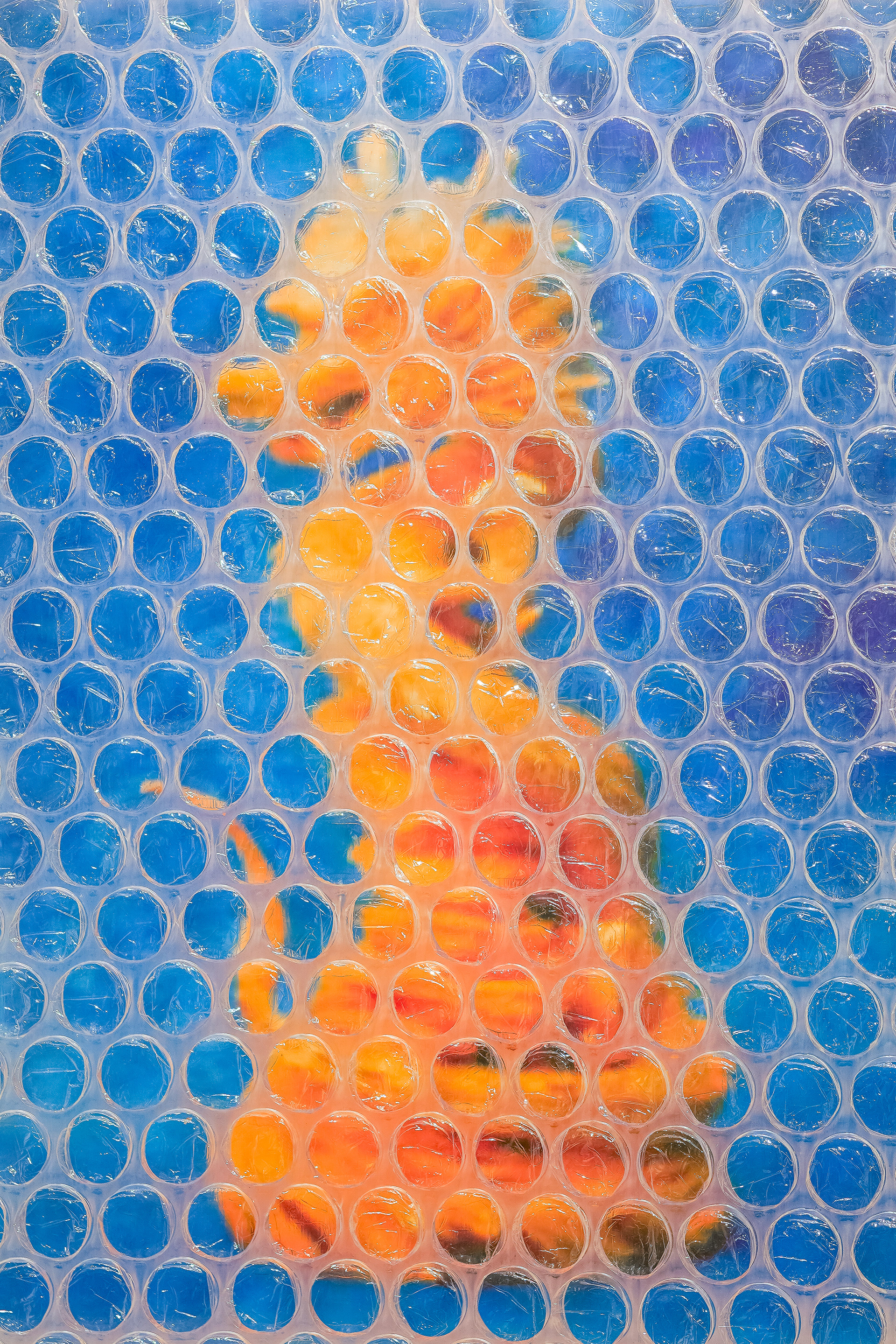
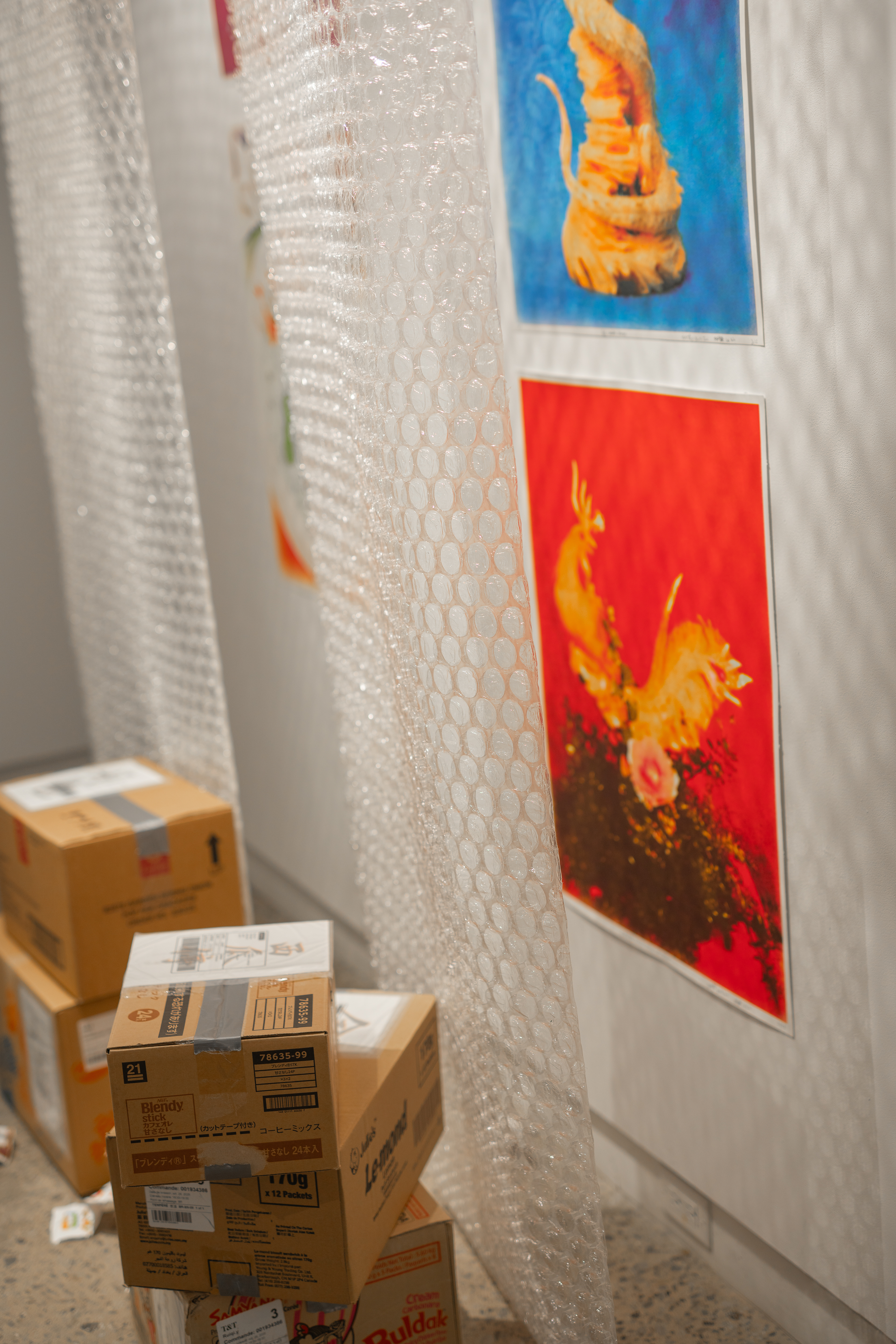
凤戏牡丹 Phoenix Plays with Peony
Plate prepared by Pan Shaoxue 潘绍学制作
CMYK process silk screen print on Enhanced Somerset velvet 250g paper
Paper: 565cm x 745cm (222.4” x 293.3”)
Printed Image: 545cm x 725cm (214.6” x 285.4”)
Plate prepared by Pan Shaoxue 潘绍学制作
CMYK process silk screen print on Enhanced Somerset velvet 250g paper
Paper: 565cm x 745cm (222.4” x 293.3”)
Printed Image: 545cm x 725cm (214.6” x 285.4”)
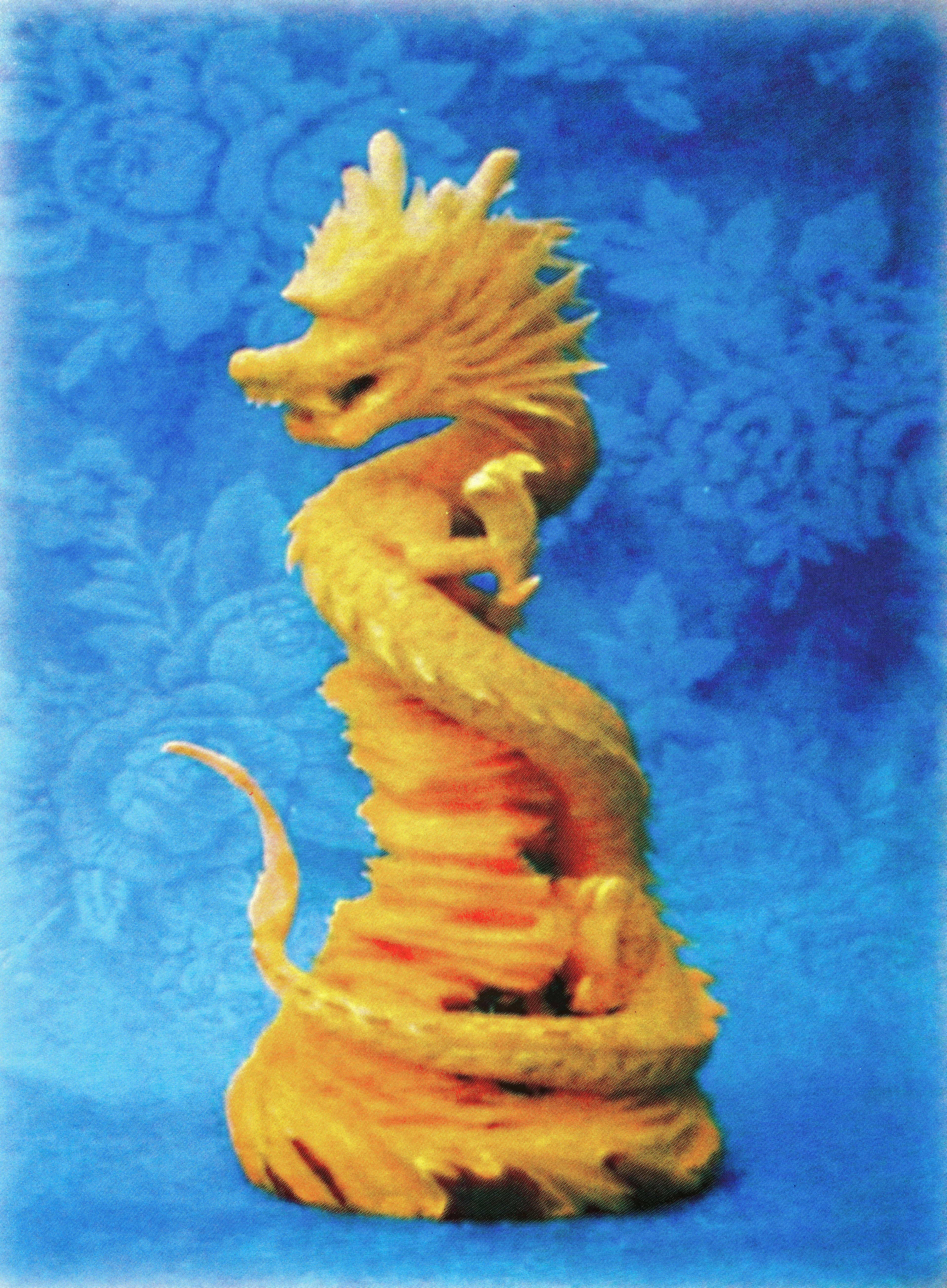
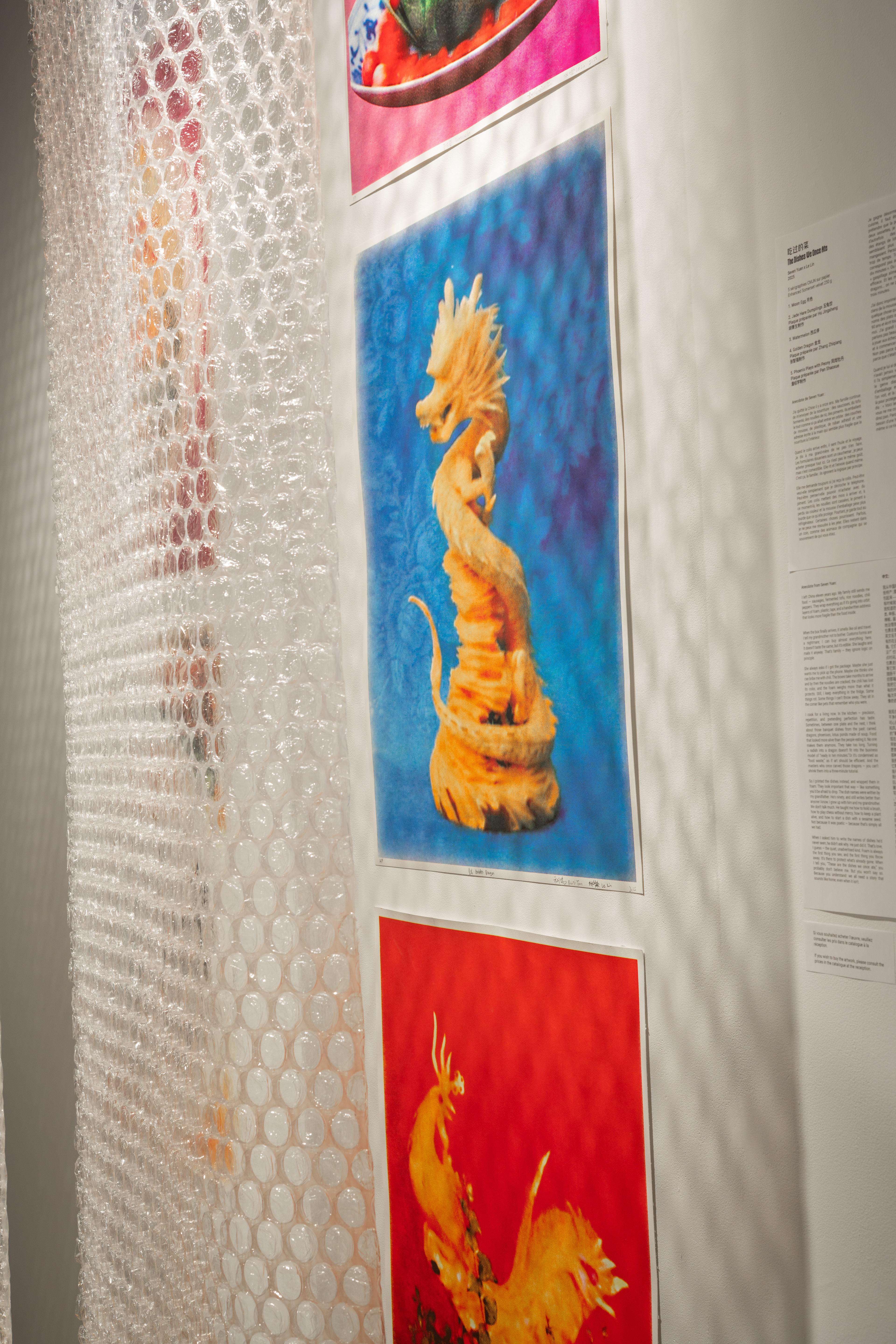
金龙 Golden Dragon
Plate prepared by Zhang Zhiqiang 张智强制作
CMYK process silk screen print on Enhanced Somerset velvet 250g paper
Paper: 565cm x 745cm (222.4” x 293.3”)
Printed Image: 545cm x 725cm (214.6” x 285.4”)
Plate prepared by Zhang Zhiqiang 张智强制作
CMYK process silk screen print on Enhanced Somerset velvet 250g paper
Paper: 565cm x 745cm (222.4” x 293.3”)
Printed Image: 545cm x 725cm (214.6” x 285.4”)
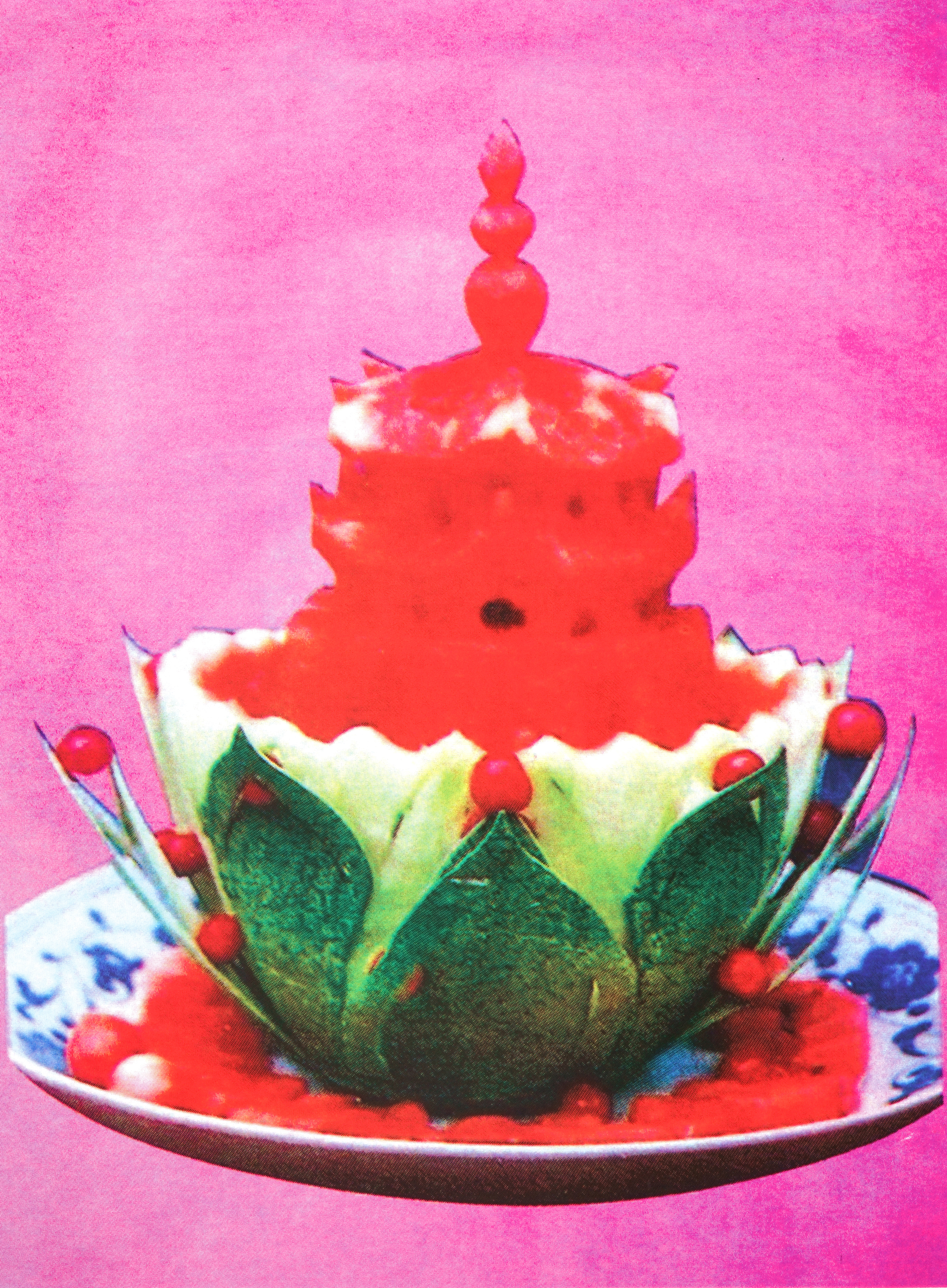
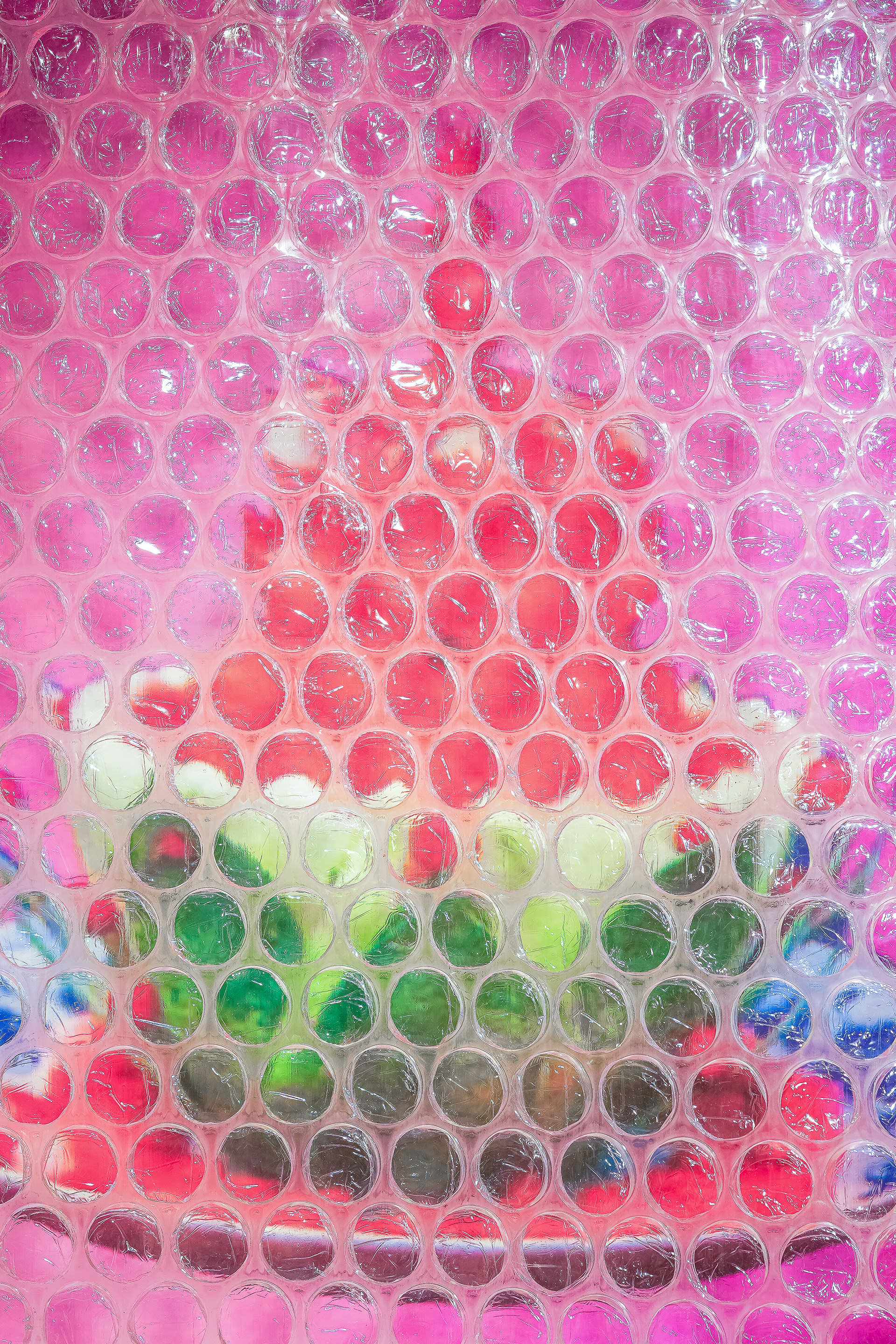
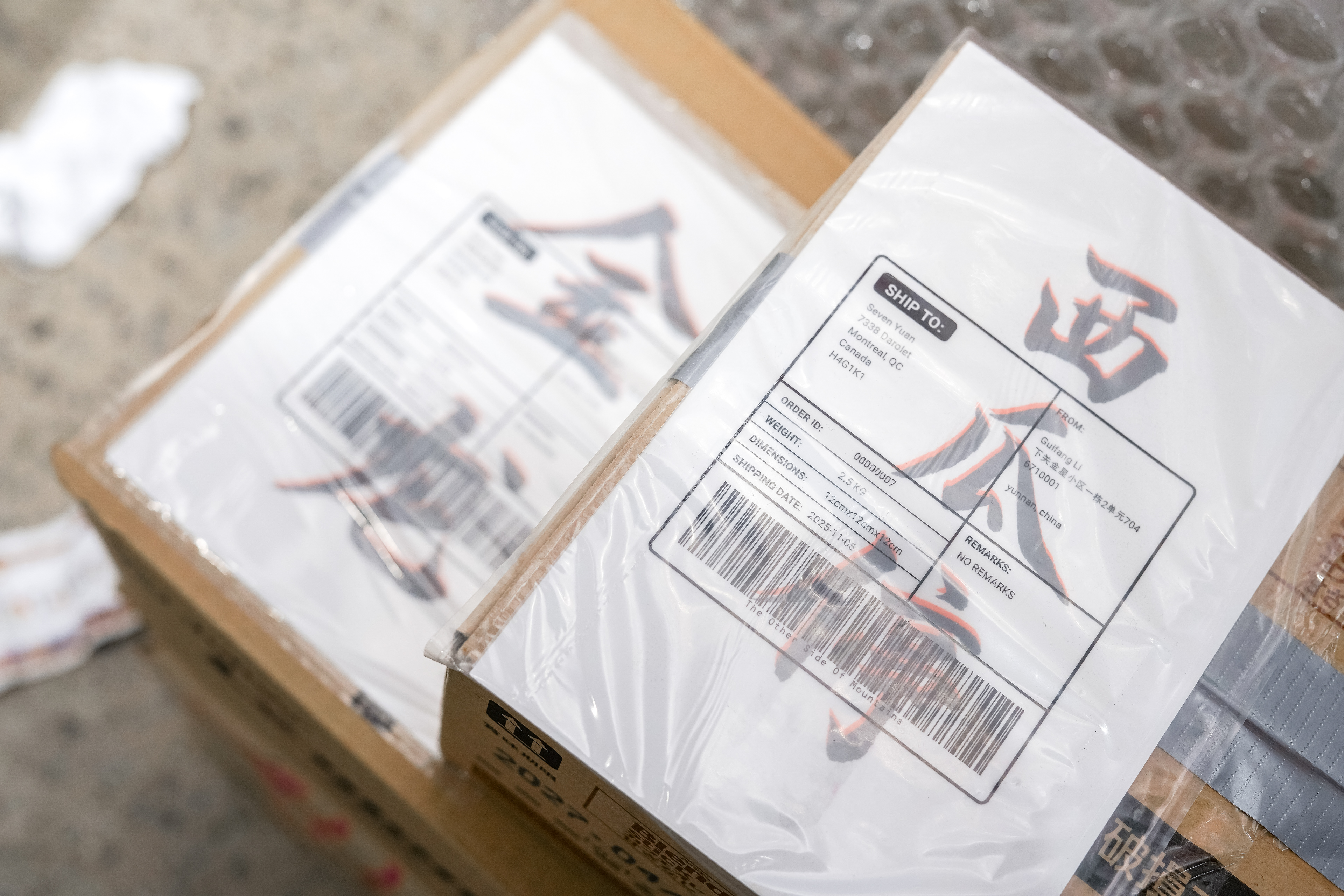
西瓜停 Watermelon
CMYK process silk screen print on Enhanced Somerset velvet 250g paper
Paper: 565cm x 745cm (222.4” x 293.3”)
Printed Image: 545cm x 725cm (214.6” x 285.4”)
CMYK process silk screen print on Enhanced Somerset velvet 250g paper
Paper: 565cm x 745cm (222.4” x 293.3”)
Printed Image: 545cm x 725cm (214.6” x 285.4”)
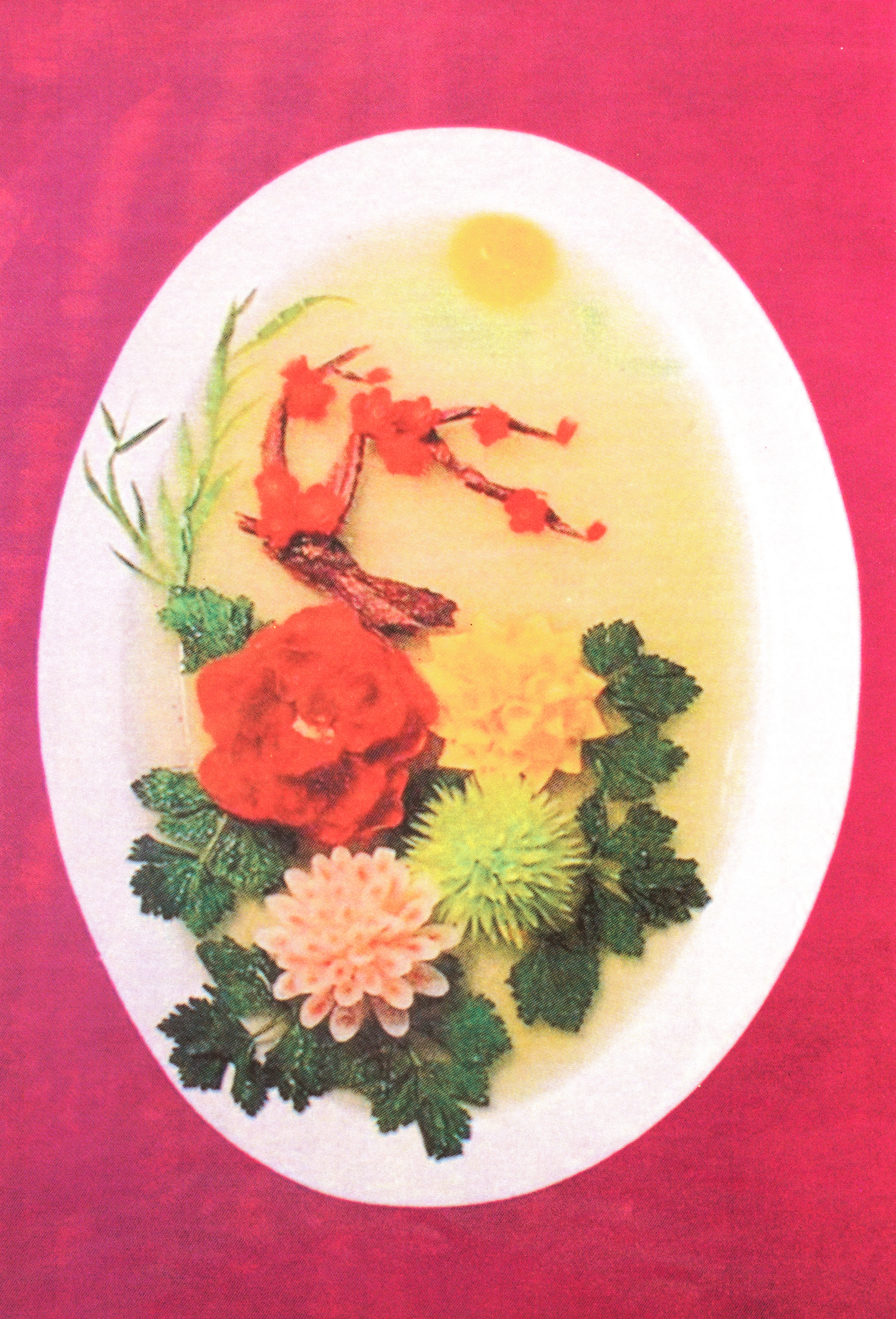
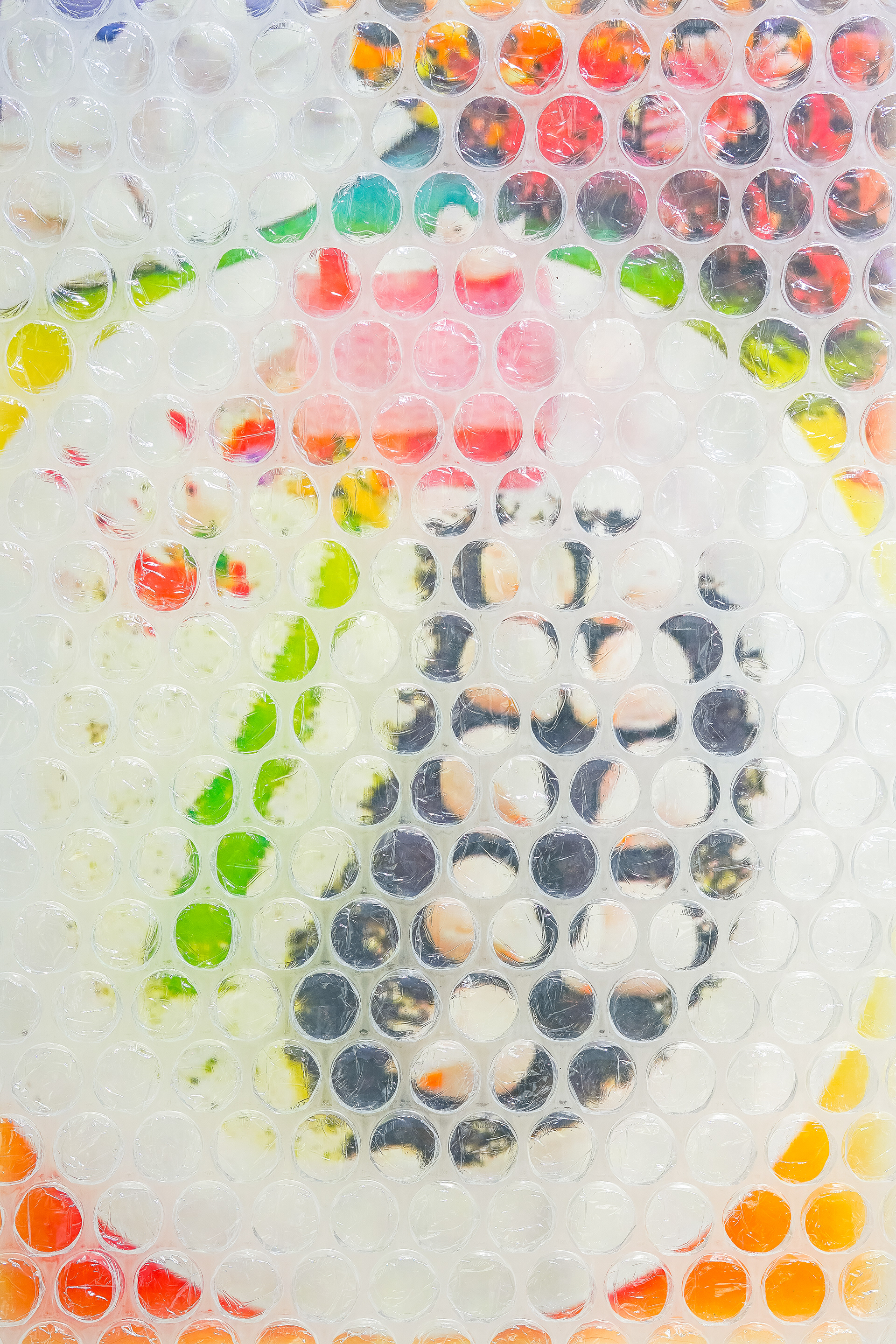
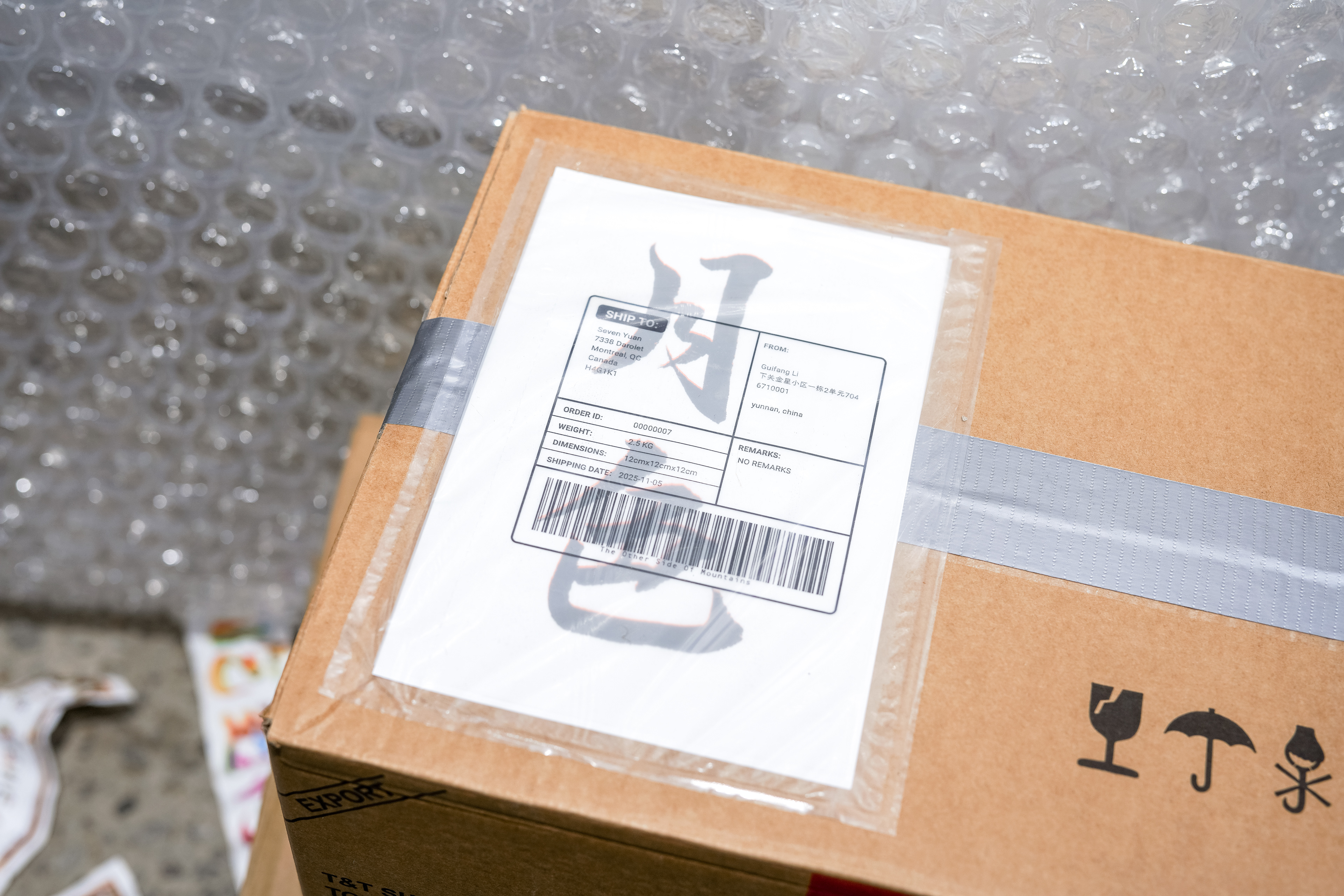
月色 Moon Egg
CMYK process silk screen print on Enhanced Somerset velvet 250g paper
Paper: 565cm x 825cm (222.4” x 324.8”)
Printed Image: 545cm x 805cm (214.6” x 316.9”)
CMYK process silk screen print on Enhanced Somerset velvet 250g paper
Paper: 565cm x 825cm (222.4” x 324.8”)
Printed Image: 545cm x 805cm (214.6” x 316.9”)
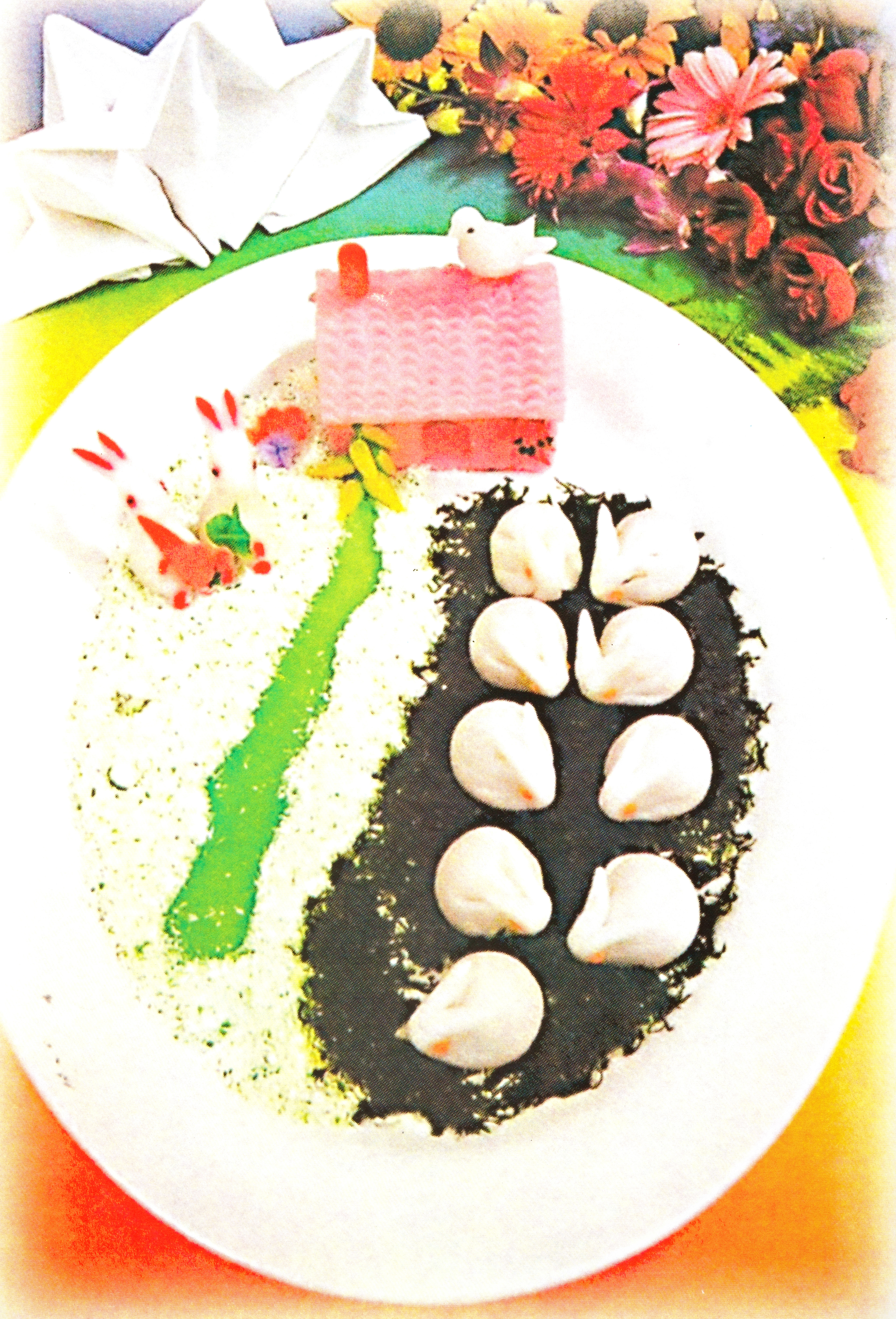
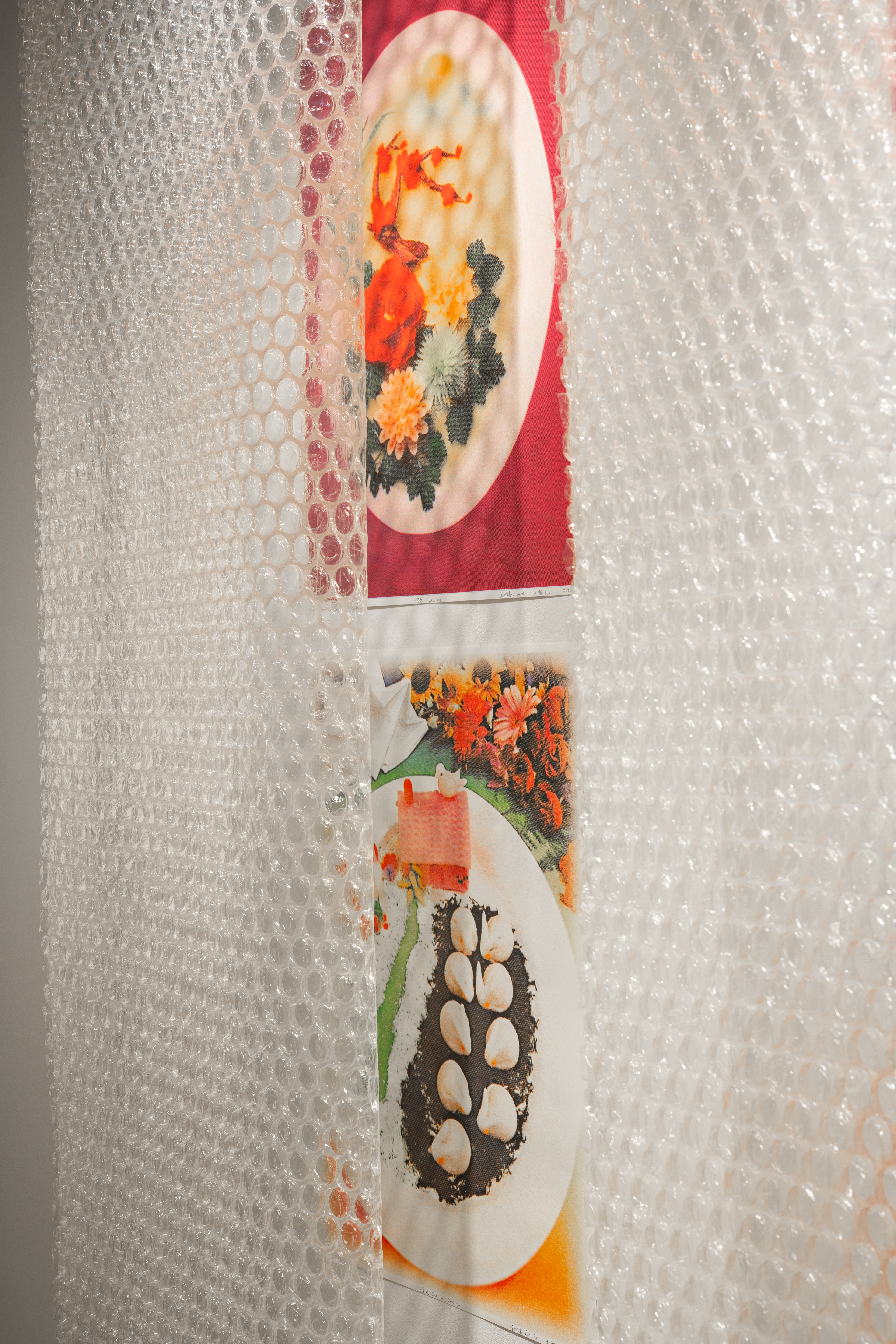
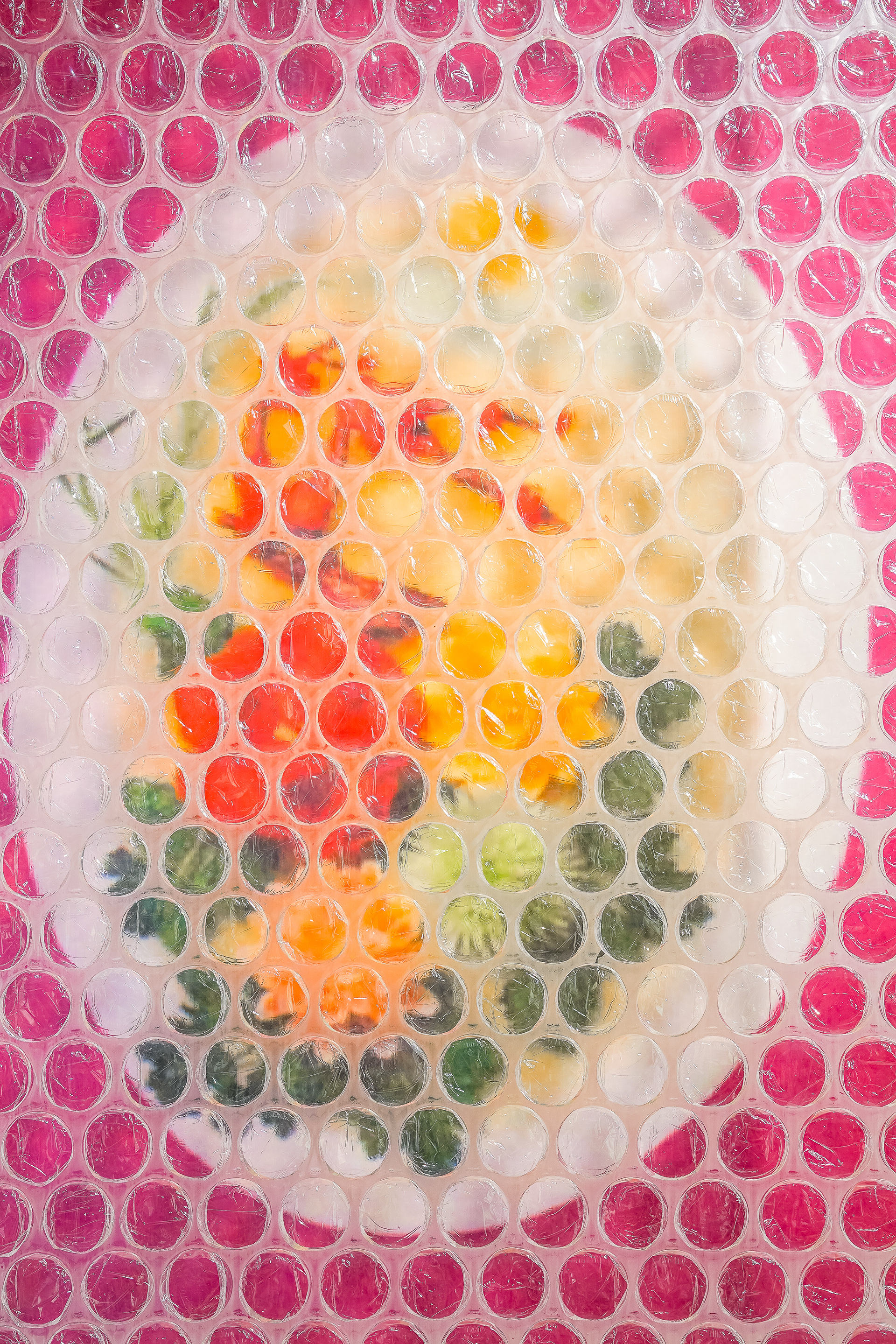
玉兔饺 Jade Hare Dumplings
Plate prepared by Hu Jingsheng 胡菁生制作
CMYK process silk screen print on Enhanced Somerset velvet 250g paper
Paper: 565cm x 825cm (222.4” x 324.8”)
Printed Image: 545cm x 805cm (214.6” x 316.9”)
Plate prepared by Hu Jingsheng 胡菁生制作
CMYK process silk screen print on Enhanced Somerset velvet 250g paper
Paper: 565cm x 825cm (222.4” x 324.8”)
Printed Image: 545cm x 805cm (214.6” x 316.9”)
Anecdote from Seven Yuan:
I left China eleven years ago.
My family still sends me food —
sausages, fermented tofu, rice noodles, chili peppers.
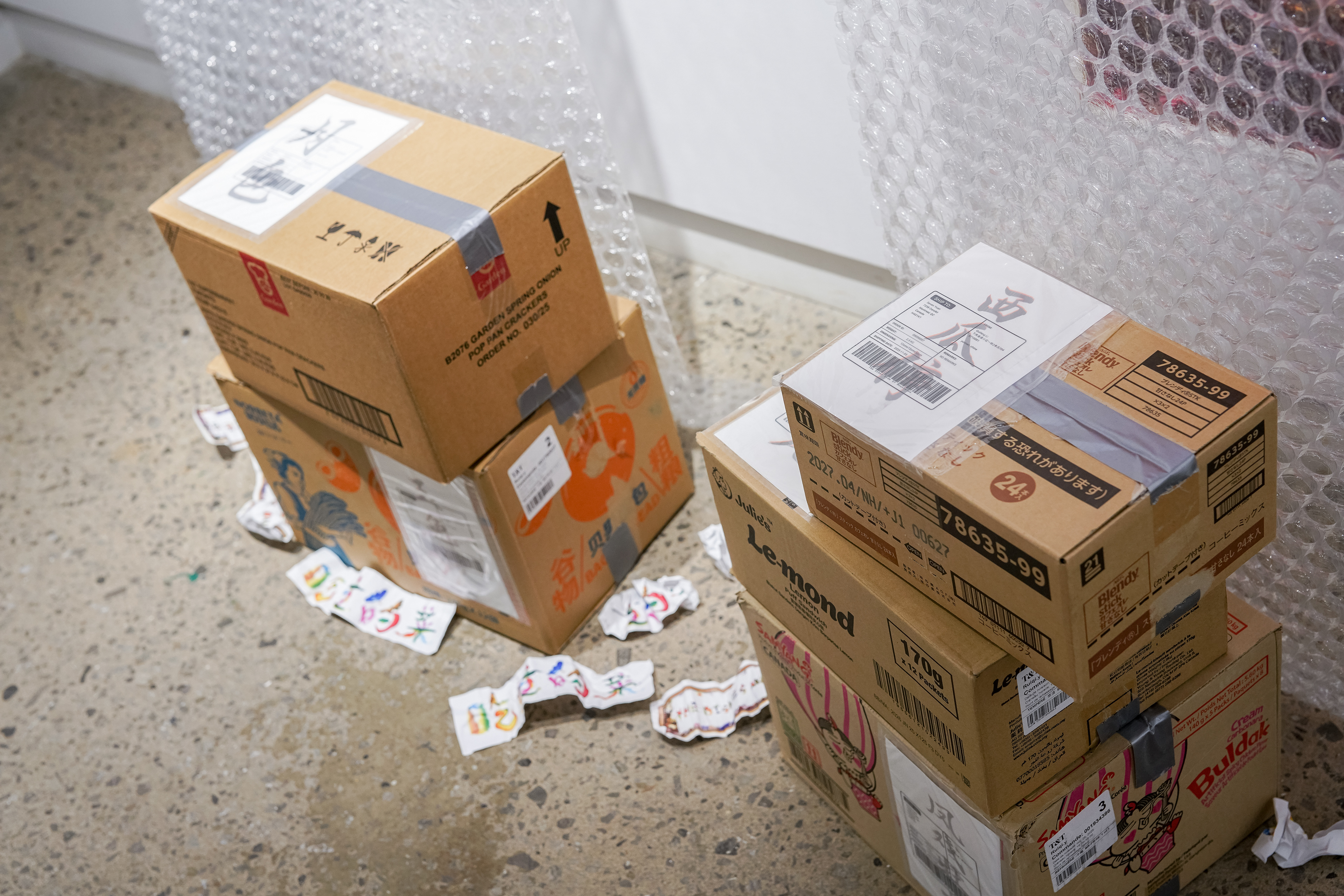
They wrap everything as if it’s going into orbit:
layers of foam, plastic, tape, and a handwritten address
that looks more fragile than the food inside.
When the box finally arrives, it smells like oil and travel. I tell my grandmother not to bother. Customs forms are a nightmare; I can buy almost everything here. It doesn’t taste the same, but it’s edible. She laughs and mails it anyway. That’s family — they ignore logic on principle.
She always asks if I got the package. Maybe she just wants me to pick up the phone. Maybe she thinks she can bribe me with chili. The boxes take months to arrive and by then the noodles are cracked, the chili has lost its color, and the foam weighs more than what it protects. Still, I keep everything in the fridge. Some things rot. Some things I can’t throw away. They sit in the corner like pets that remember who you were.
I cook for a living now. In the kitchen —precision, repetition, and pretending perfection has taste. Sometimes, between one plate and the next, I think about those banquet dishes from the past: carved dragons, phoenixes, lotus ponds made of soup. Food that looked more alive than the people eating it. No one makes them anymore. They take too long. Turning a radish into a dragon doesn’t fit into the business model of “ready in ten minutes.” Or it’s condemned as “food waste,” as if art should be efficient. And the masters who once carved those dragons — you can’t shrink them into a three-minute tutorial.
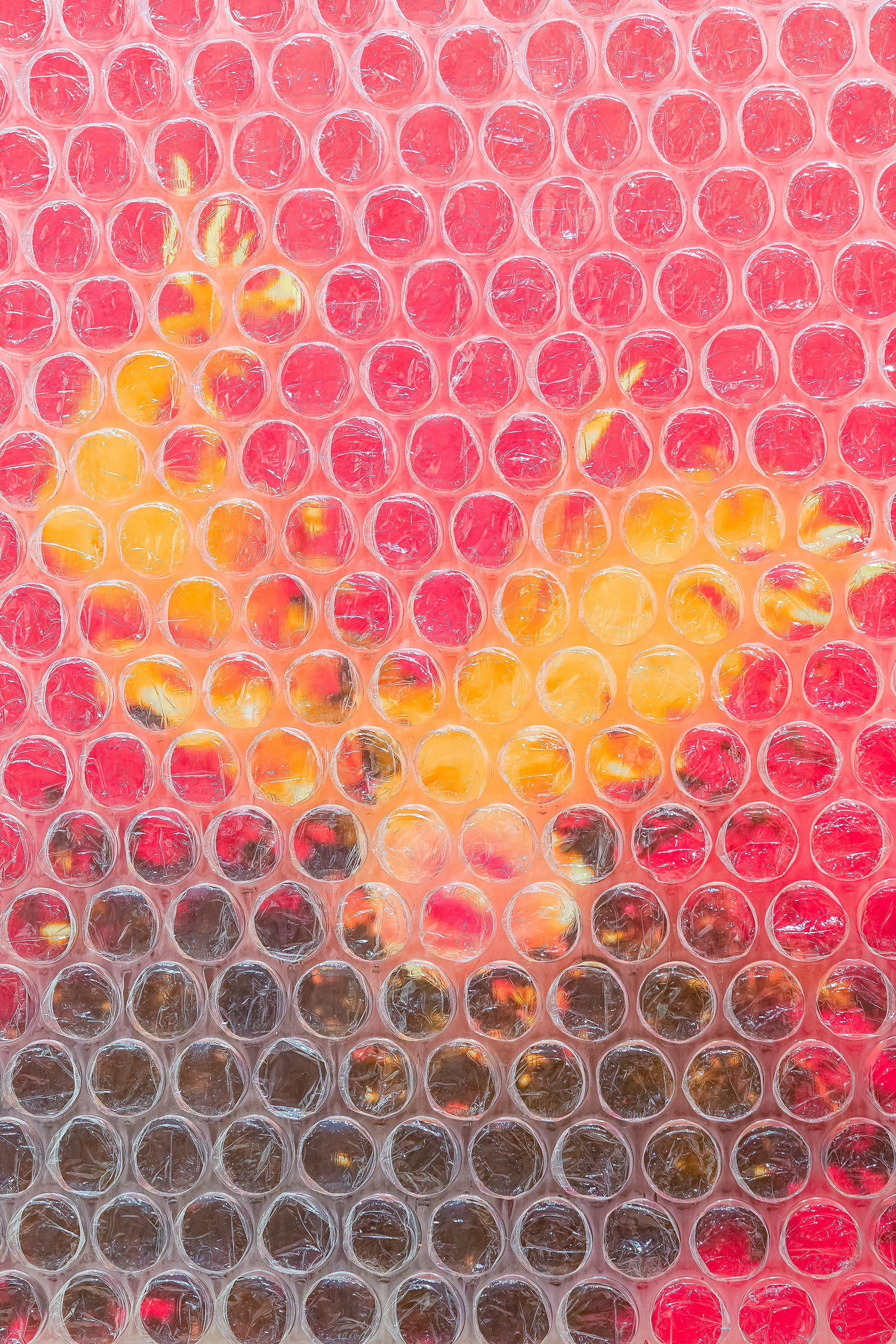
So I printed the dishes instead, and wrapped them in foam. They look important that way — like something you’d be afraid to drop. The dish names were written by my grandfather. He’s ninety, and still writes better than anyone I know. I grew up with him and my grandmother. We don’t talk much. He taught me how to hold a brush, how to play chess without mercy, how to keep a plant alive, and how to start a dish with a sesame seed. Not because it was poetic — because that’s simply all we had.
When I asked him to write the names of dishes he’d never seen, he didn’t ask why. He just did it. That’s love, I guess — the quiet, unadvertised kind. Foam is always the first thing you see, and the first thing you throw away. It’s there to protect what’s already gone. When I tell you, “These are the dishes we once ate,” you probably don’t believe me. But you won’t say so. Because you understand: we all need a story that sounds like home, even when it isn’t.
我从中国来到加拿大,已经十一年了。 家人偶尔会寄来一些特产:腊肠、豆腐乳、米线、辣椒。 家乡味被一层又一层包起来—— 泡沫、胶带、塑料袋,还有手写的地址。
有时候我觉得, 那些泡沫的触感,比食物更像“家”。
我知道奶奶不会用现在繁琐的邮寄系统。 寄食物还要分类、申报、贴标签。 我跟她说,我这边也有卖腊肠、米线、辣椒。 虽然没有家里的好吃,也能凑合。 不用那么麻烦。
她没理我。 老人嘛,犟不过。
包裹总是寄来, 总是慢。 比“隔天送达”的快递慢, 比换了英文名字的调料更丑。
有的在运输途中漏了、坏了, 有的我舍不得吃,全放进冰箱。 它们在角落里等着, 像奶奶在电话那头问: “收到了没?” 也许她只是想让我多说几句, 用这些食物贿赂我一点时间。
包裹走的慢,漂洋过海要几个月。
等它到了,腊肠干了,米线碎了,辣椒味道淡了,
但那箱被泡沫包着的关心还在。
我把它们都放进冰箱,
有的坏了舍不得扔,有的还在角落里。
每次开门,都觉得它们在看我,
像奶奶盼我回家的样子。
我现在做菜。 每天切菜、摆盘。 分量精确,盘饰标准, 干净得像没有人吃过。
可心里却常常浮现出 另一种厨房的画面—— 雕花的龙和凤、莲花、碧绿的汤池、金黄的瓜花。 那是八九十年代的“豪华摆盘”, 食物做成梦的样子。
现在没人做了。 因为太慢。 一根萝卜变成龙的时间, 早就输给了流水线。 输给了节约食材的口号。 输给了没人愿意学。
那种手艺, 没法拍成几分钟的视频教程。
我把这些“菜”重新印出来, 一一用泡沫包好。 像把一段记忆寄回过去。
我半开玩笑地说: “这是我们以前吃的菜。” 但其实,我也没吃过。 那只是我想象中的家宴, 一种编造出来的怀旧。
展览里的菜名, 是我特意拜托九十岁的爷爷重新提笔写的。 我三岁起就和爷爷奶奶一起生活。 我们平日话不多, 但厨房里的很多事, 都是他教我的—— 怎么择菜, 怎么从一粒芝麻开始准备一道菜。 还有写毛笔字、下象棋、养花。
这次请他写那些他也从没见过的菜名, 像是一种静默的回信。
他写下的,是我没吃过的菜, 却是我最熟悉的手。
泡沫纸是最先看到的东西, 也是最先被扔掉的部分。 它保护着心意, 就像这些被丝网印出来的画。
我告诉你: 这是我以前吃的菜。
你可能不信。 但你也不会揭穿我。 因为你知道—— 那是一种想被保护的幻想。
When the box finally arrives, it smells like oil and travel. I tell my grandmother not to bother. Customs forms are a nightmare; I can buy almost everything here. It doesn’t taste the same, but it’s edible. She laughs and mails it anyway. That’s family — they ignore logic on principle.
She always asks if I got the package. Maybe she just wants me to pick up the phone. Maybe she thinks she can bribe me with chili. The boxes take months to arrive and by then the noodles are cracked, the chili has lost its color, and the foam weighs more than what it protects. Still, I keep everything in the fridge. Some things rot. Some things I can’t throw away. They sit in the corner like pets that remember who you were.
I cook for a living now. In the kitchen —precision, repetition, and pretending perfection has taste. Sometimes, between one plate and the next, I think about those banquet dishes from the past: carved dragons, phoenixes, lotus ponds made of soup. Food that looked more alive than the people eating it. No one makes them anymore. They take too long. Turning a radish into a dragon doesn’t fit into the business model of “ready in ten minutes.” Or it’s condemned as “food waste,” as if art should be efficient. And the masters who once carved those dragons — you can’t shrink them into a three-minute tutorial.
So I printed the dishes instead, and wrapped them in foam. They look important that way — like something you’d be afraid to drop. The dish names were written by my grandfather. He’s ninety, and still writes better than anyone I know. I grew up with him and my grandmother. We don’t talk much. He taught me how to hold a brush, how to play chess without mercy, how to keep a plant alive, and how to start a dish with a sesame seed. Not because it was poetic — because that’s simply all we had.
When I asked him to write the names of dishes he’d never seen, he didn’t ask why. He just did it. That’s love, I guess — the quiet, unadvertised kind. Foam is always the first thing you see, and the first thing you throw away. It’s there to protect what’s already gone. When I tell you, “These are the dishes we once ate,” you probably don’t believe me. But you won’t say so. Because you understand: we all need a story that sounds like home, even when it isn’t.
我从中国来到加拿大,已经十一年了。 家人偶尔会寄来一些特产:腊肠、豆腐乳、米线、辣椒。 家乡味被一层又一层包起来—— 泡沫、胶带、塑料袋,还有手写的地址。
有时候我觉得, 那些泡沫的触感,比食物更像“家”。
我知道奶奶不会用现在繁琐的邮寄系统。 寄食物还要分类、申报、贴标签。 我跟她说,我这边也有卖腊肠、米线、辣椒。 虽然没有家里的好吃,也能凑合。 不用那么麻烦。
她没理我。 老人嘛,犟不过。
包裹总是寄来, 总是慢。 比“隔天送达”的快递慢, 比换了英文名字的调料更丑。
有的在运输途中漏了、坏了, 有的我舍不得吃,全放进冰箱。 它们在角落里等着, 像奶奶在电话那头问: “收到了没?” 也许她只是想让我多说几句, 用这些食物贿赂我一点时间。
包裹走的慢,漂洋过海要几个月。
等它到了,腊肠干了,米线碎了,辣椒味道淡了,
但那箱被泡沫包着的关心还在。
我把它们都放进冰箱,
有的坏了舍不得扔,有的还在角落里。
每次开门,都觉得它们在看我,
像奶奶盼我回家的样子。
我现在做菜。 每天切菜、摆盘。 分量精确,盘饰标准, 干净得像没有人吃过。
可心里却常常浮现出 另一种厨房的画面—— 雕花的龙和凤、莲花、碧绿的汤池、金黄的瓜花。 那是八九十年代的“豪华摆盘”, 食物做成梦的样子。
现在没人做了。 因为太慢。 一根萝卜变成龙的时间, 早就输给了流水线。 输给了节约食材的口号。 输给了没人愿意学。
那种手艺, 没法拍成几分钟的视频教程。
我把这些“菜”重新印出来, 一一用泡沫包好。 像把一段记忆寄回过去。
我半开玩笑地说: “这是我们以前吃的菜。” 但其实,我也没吃过。 那只是我想象中的家宴, 一种编造出来的怀旧。
展览里的菜名, 是我特意拜托九十岁的爷爷重新提笔写的。 我三岁起就和爷爷奶奶一起生活。 我们平日话不多, 但厨房里的很多事, 都是他教我的—— 怎么择菜, 怎么从一粒芝麻开始准备一道菜。 还有写毛笔字、下象棋、养花。
这次请他写那些他也从没见过的菜名, 像是一种静默的回信。
他写下的,是我没吃过的菜, 却是我最熟悉的手。
泡沫纸是最先看到的东西, 也是最先被扔掉的部分。 它保护着心意, 就像这些被丝网印出来的画。
我告诉你: 这是我以前吃的菜。
你可能不信。 但你也不会揭穿我。 因为你知道—— 那是一种想被保护的幻想。