Fish in Winter
Le Lin
2026
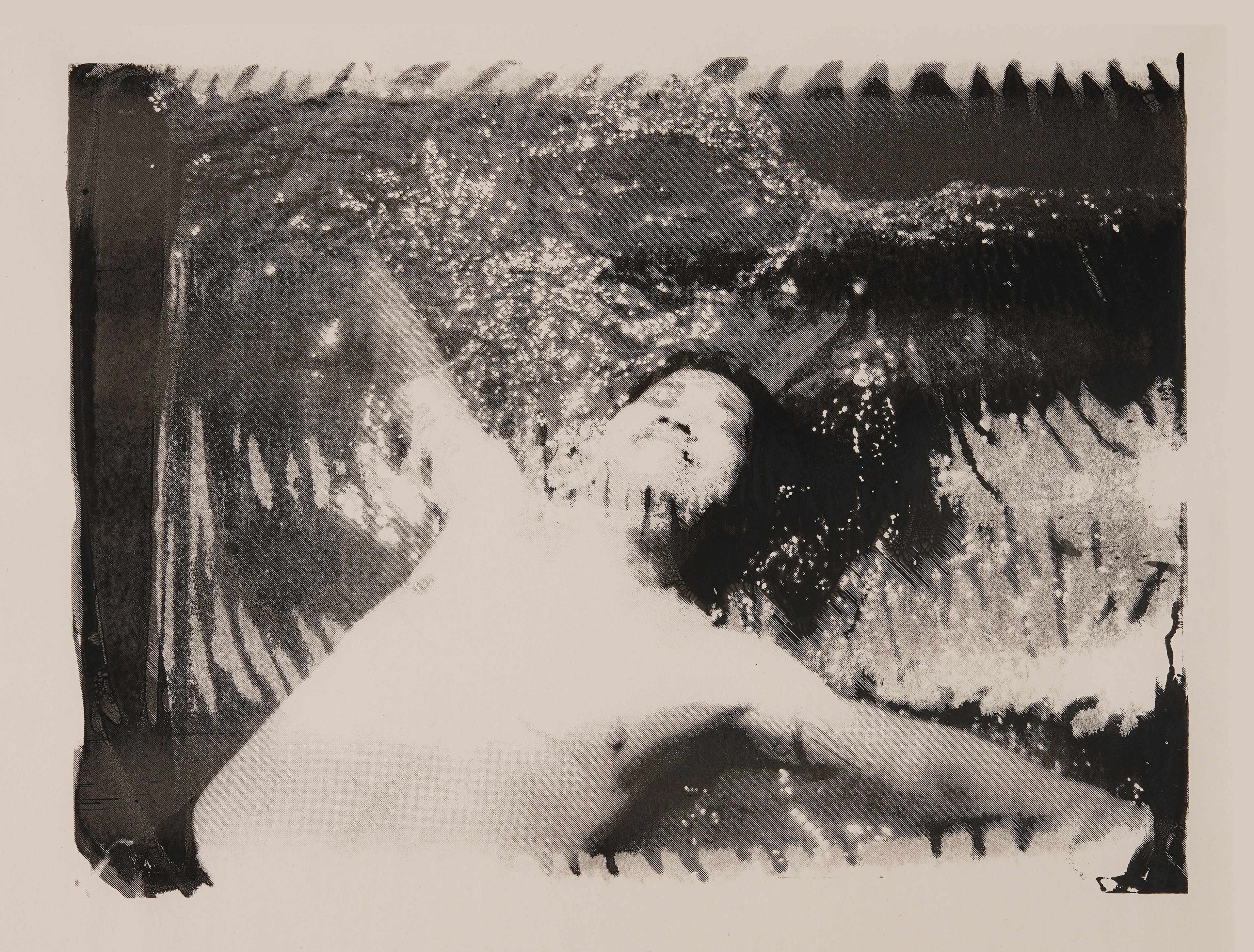
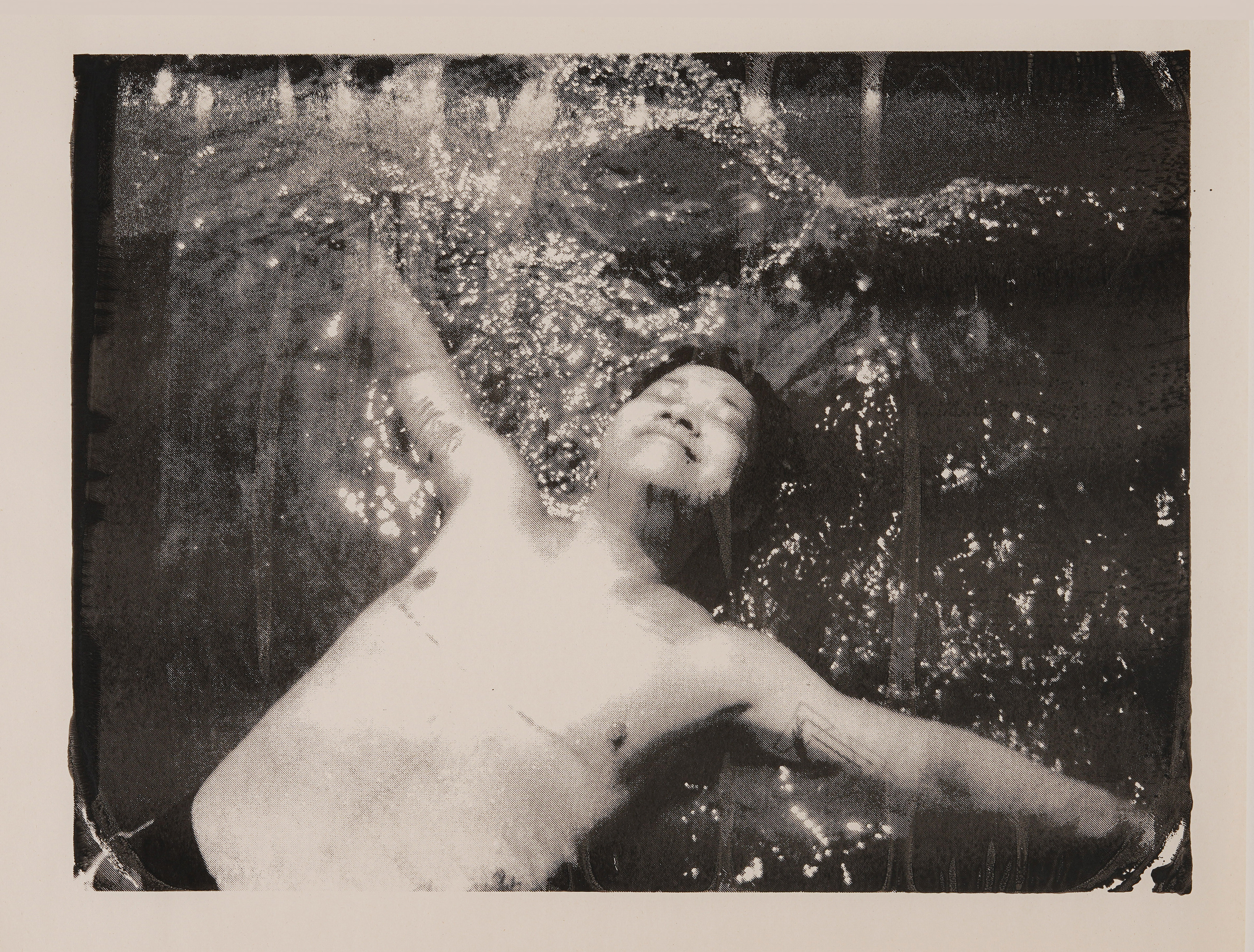
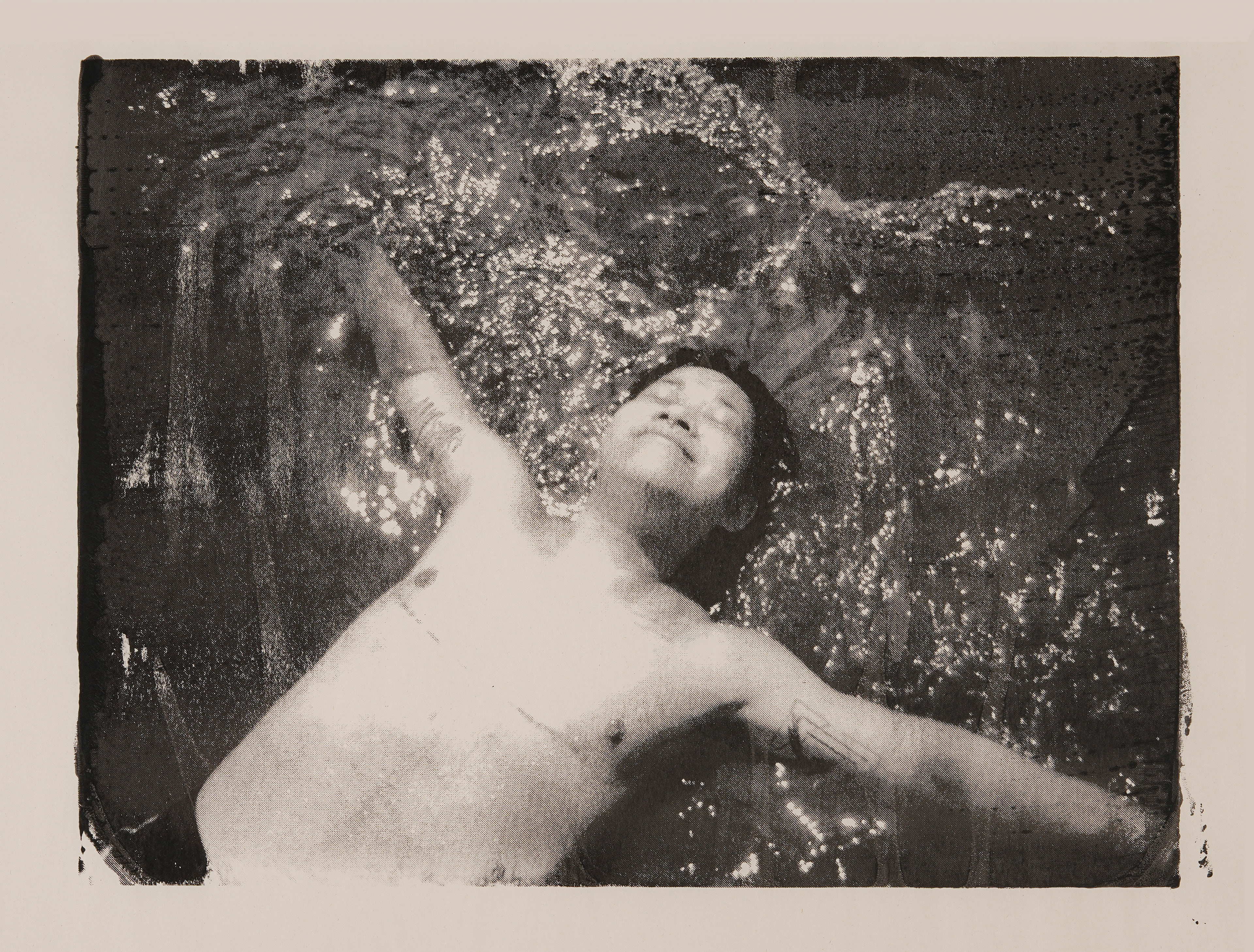
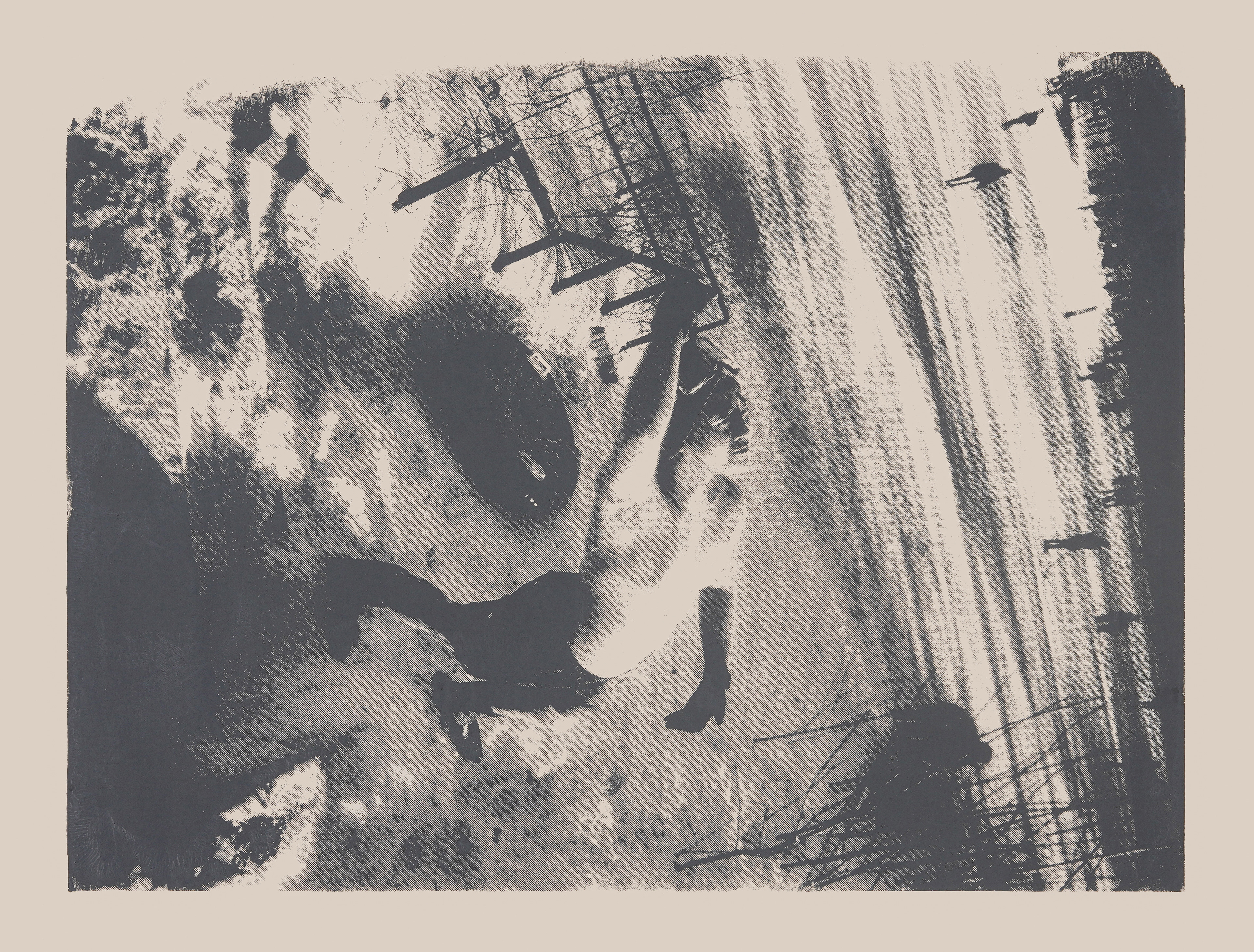
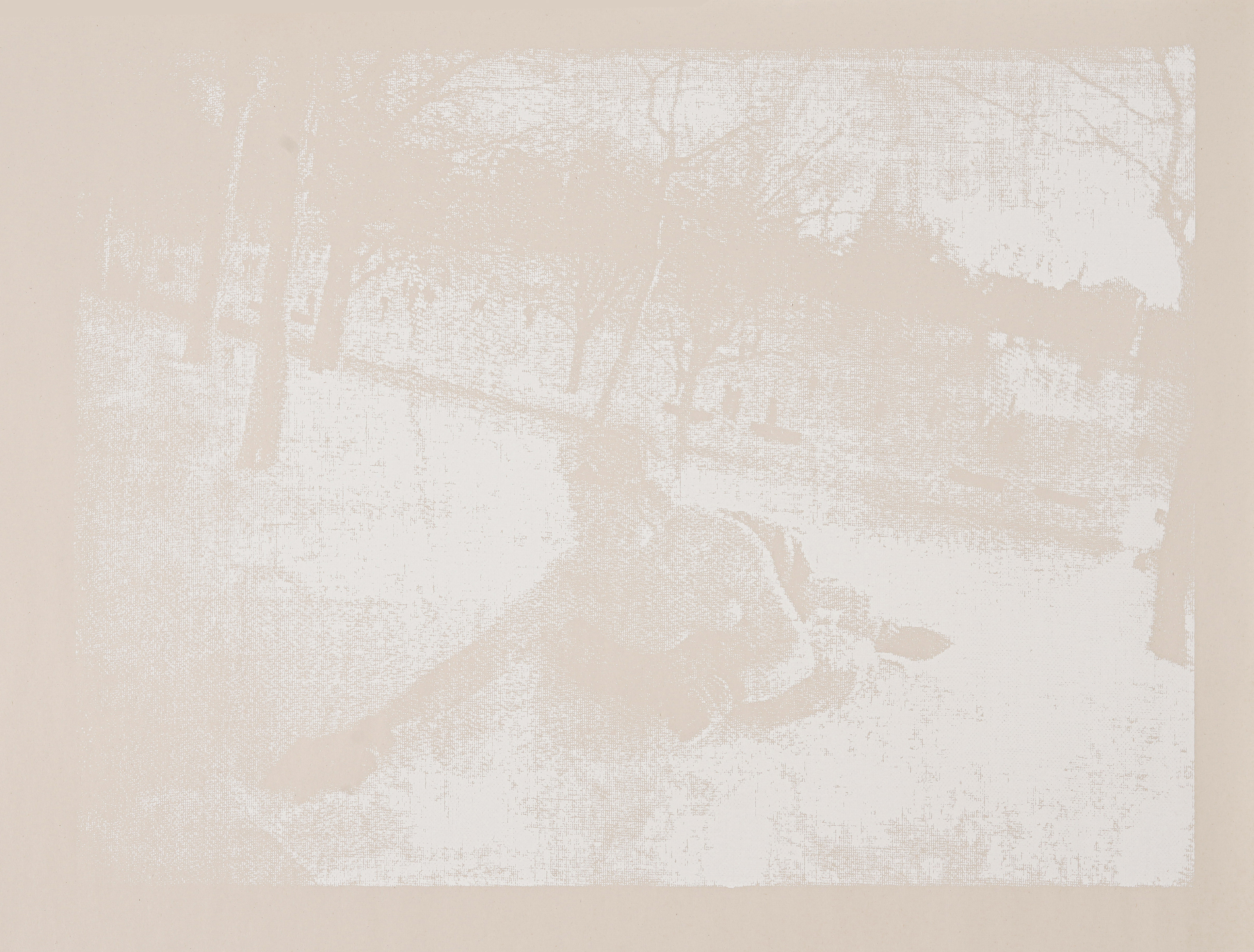
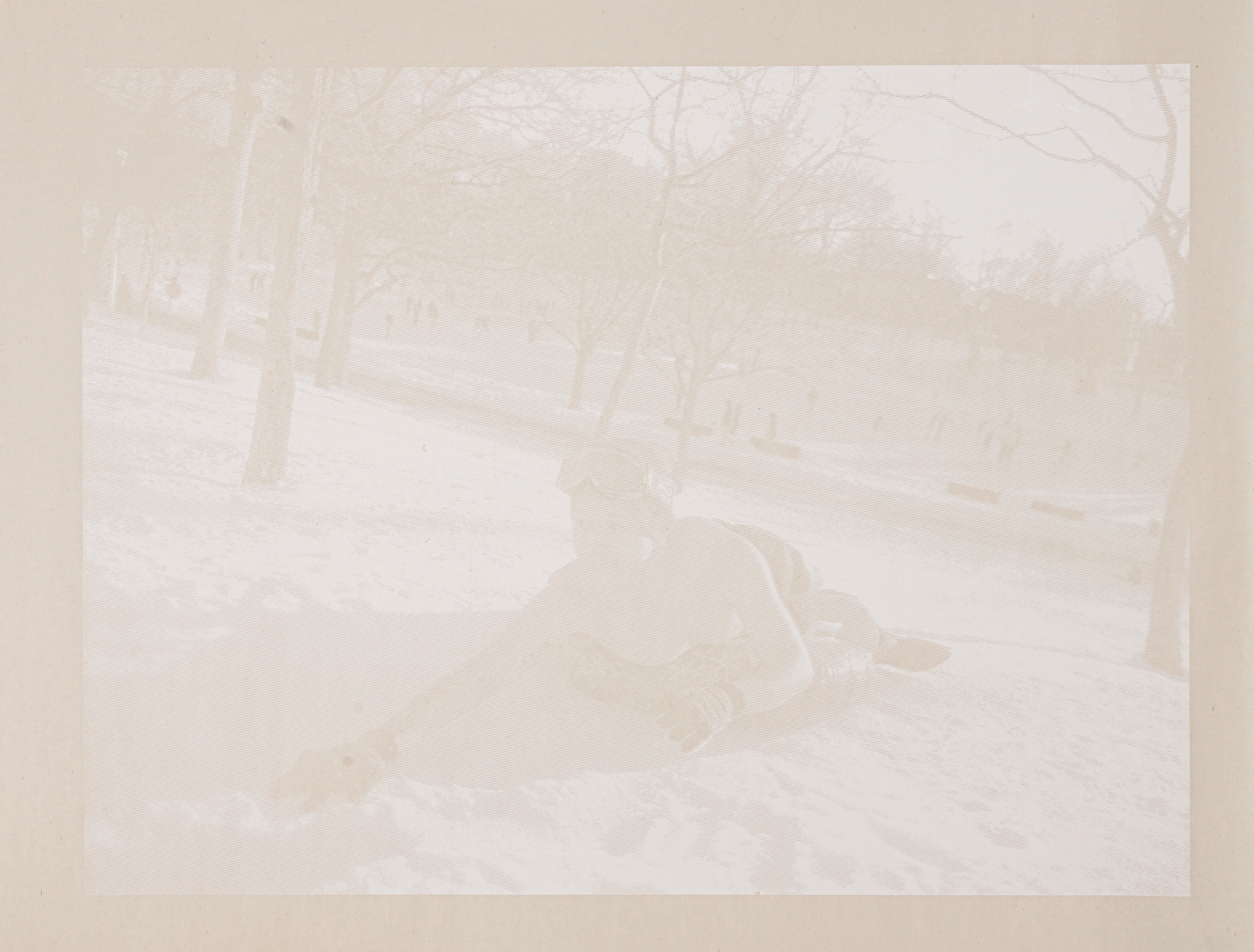
Silkscreen on Tarlatan
Each print: 17” x 22”
Photographer (on 35mm film): Charles-Éli Laurin
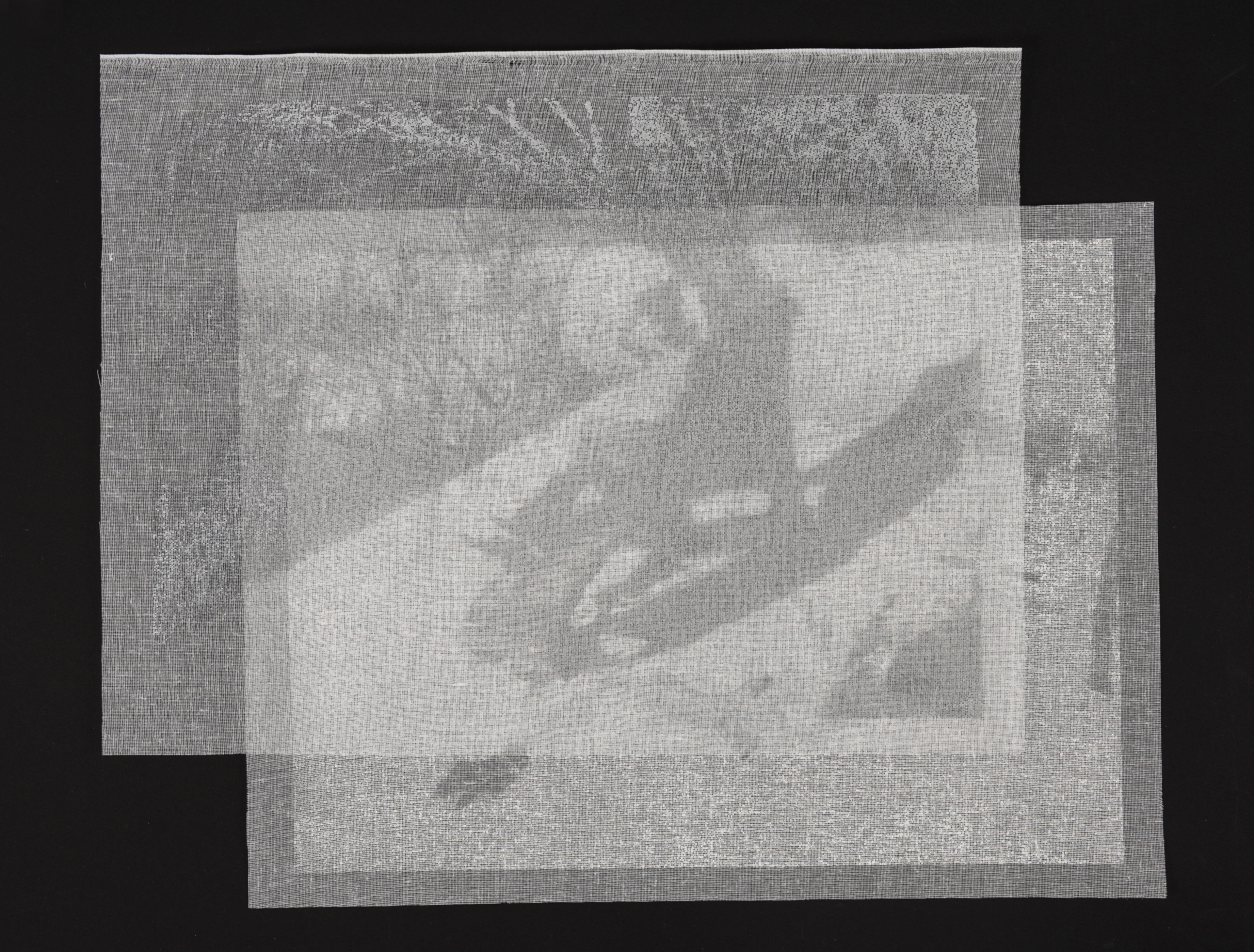
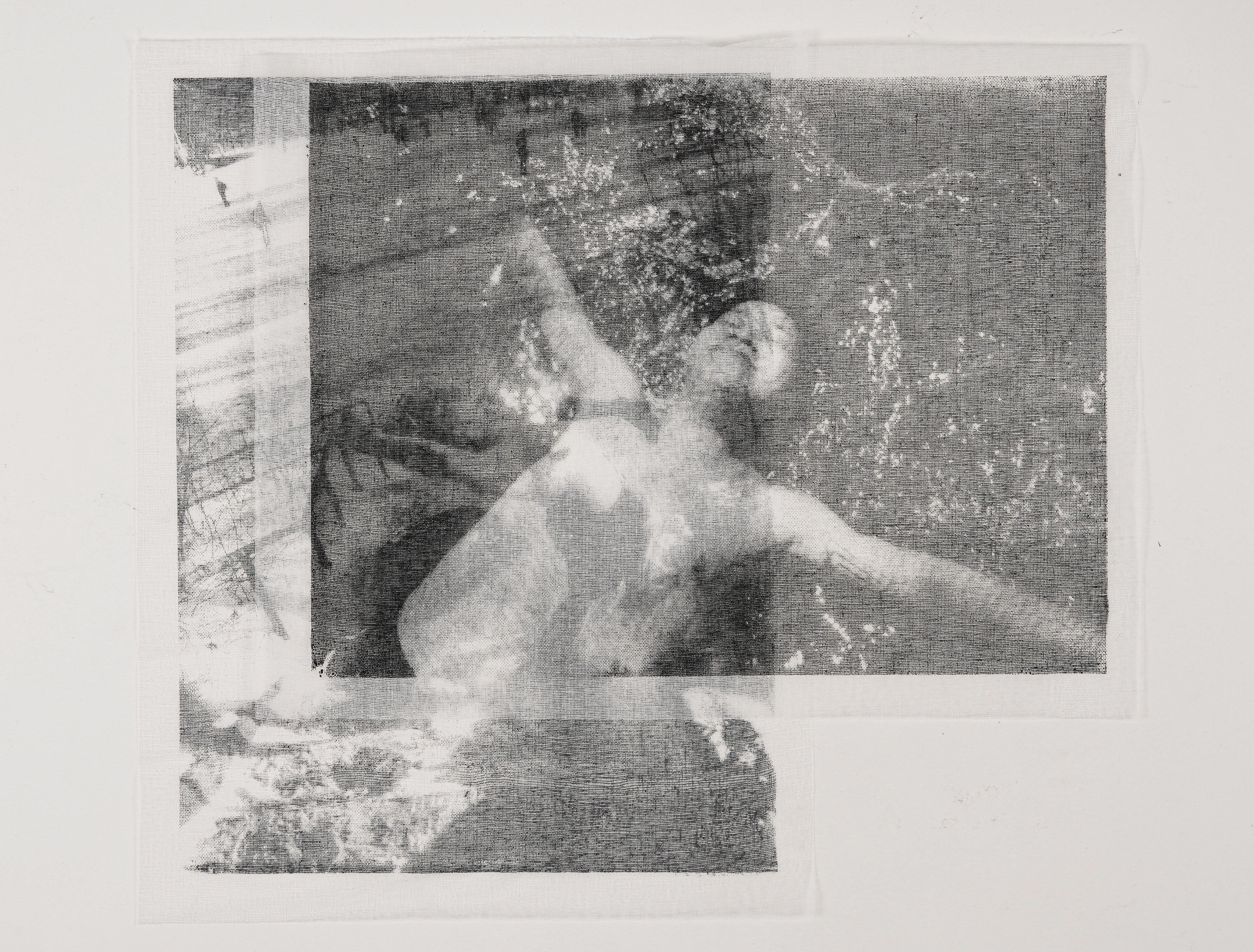
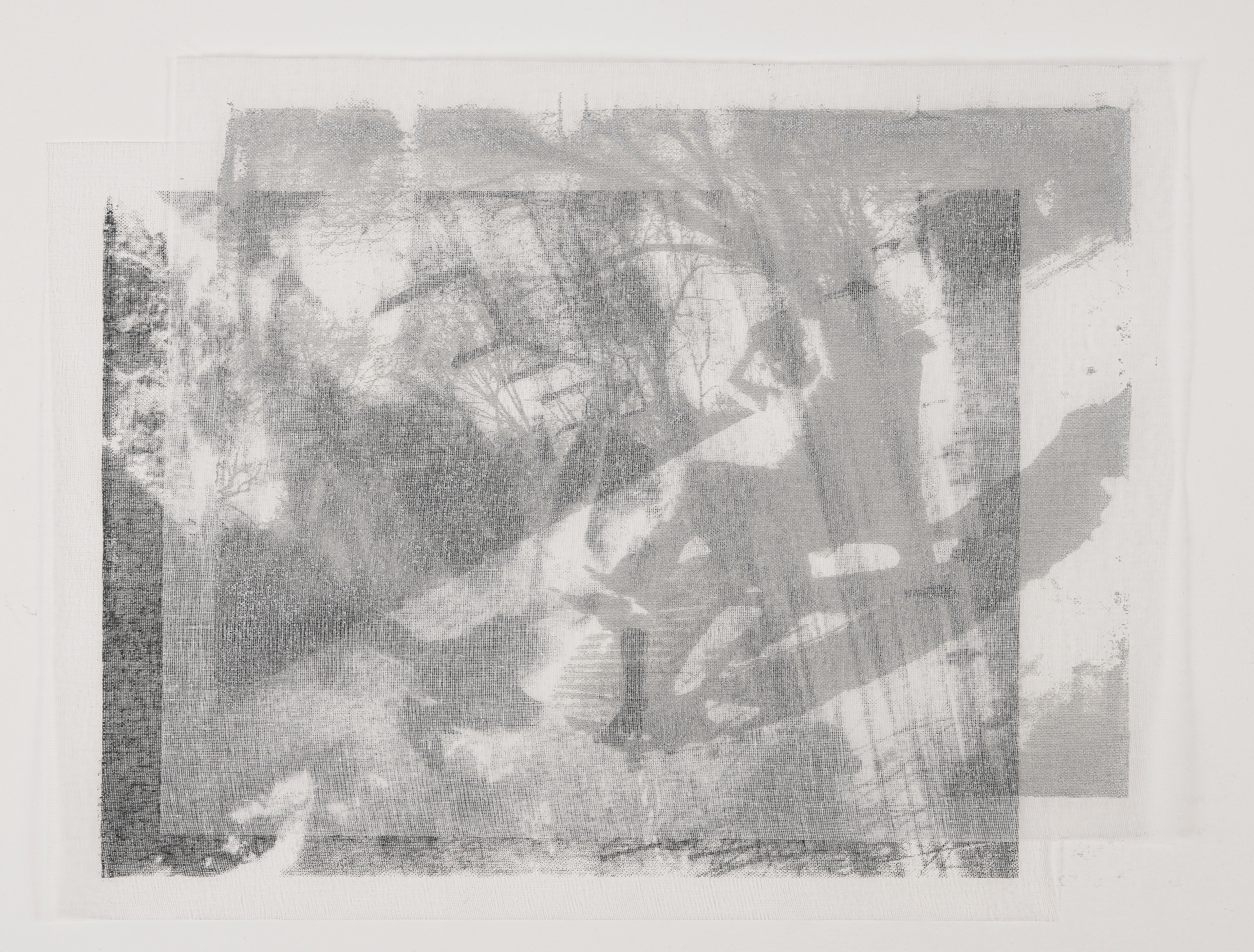
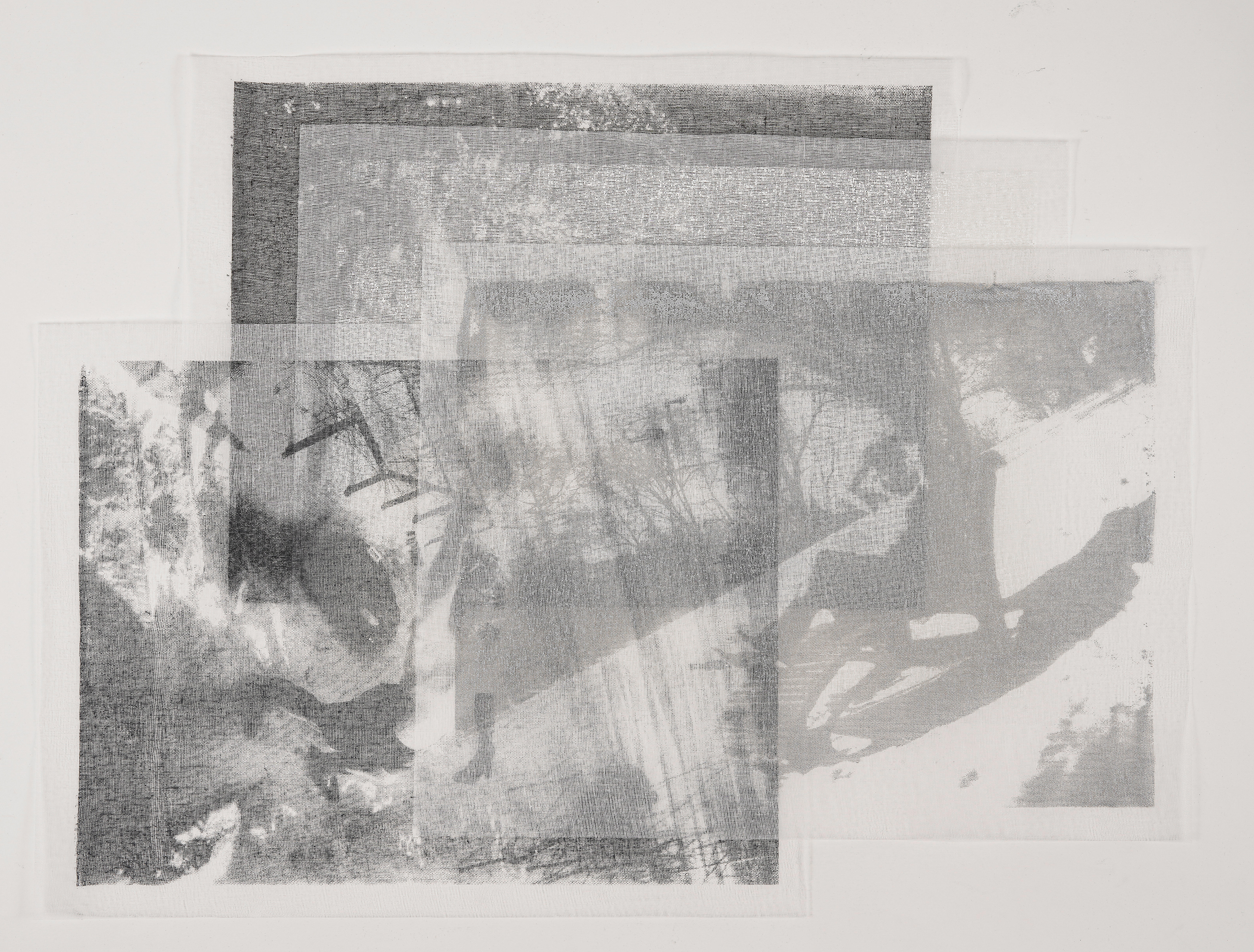
In February of 2025, I had a photoshoot taken in winter, before my top surgery, -20 degree weather, a moment suspended between exhabiting and discomfort. Where post-operative images are often staged in warmth, on beaches, under sun, these photos turn toward cold, toward a landscape that does not comfort.
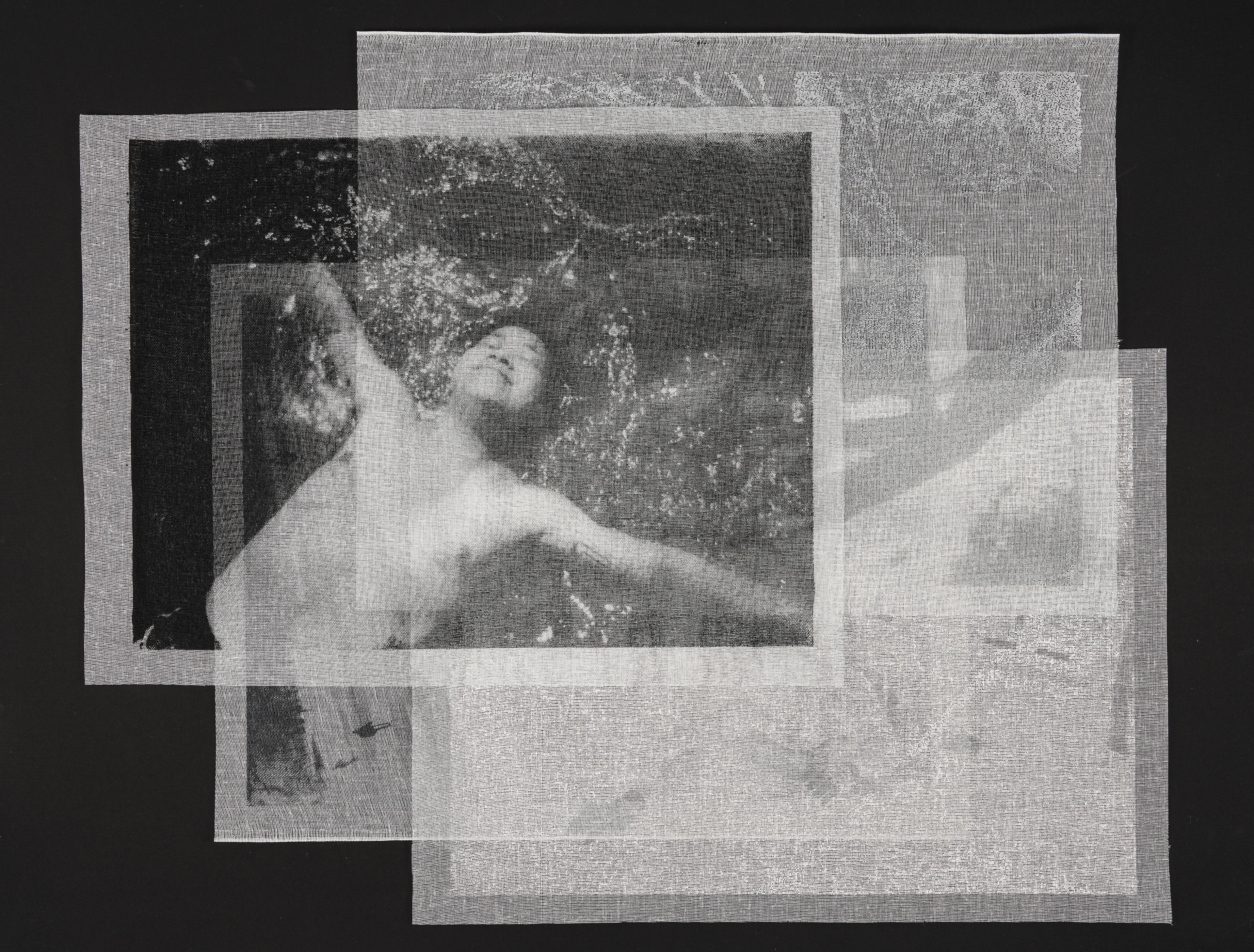
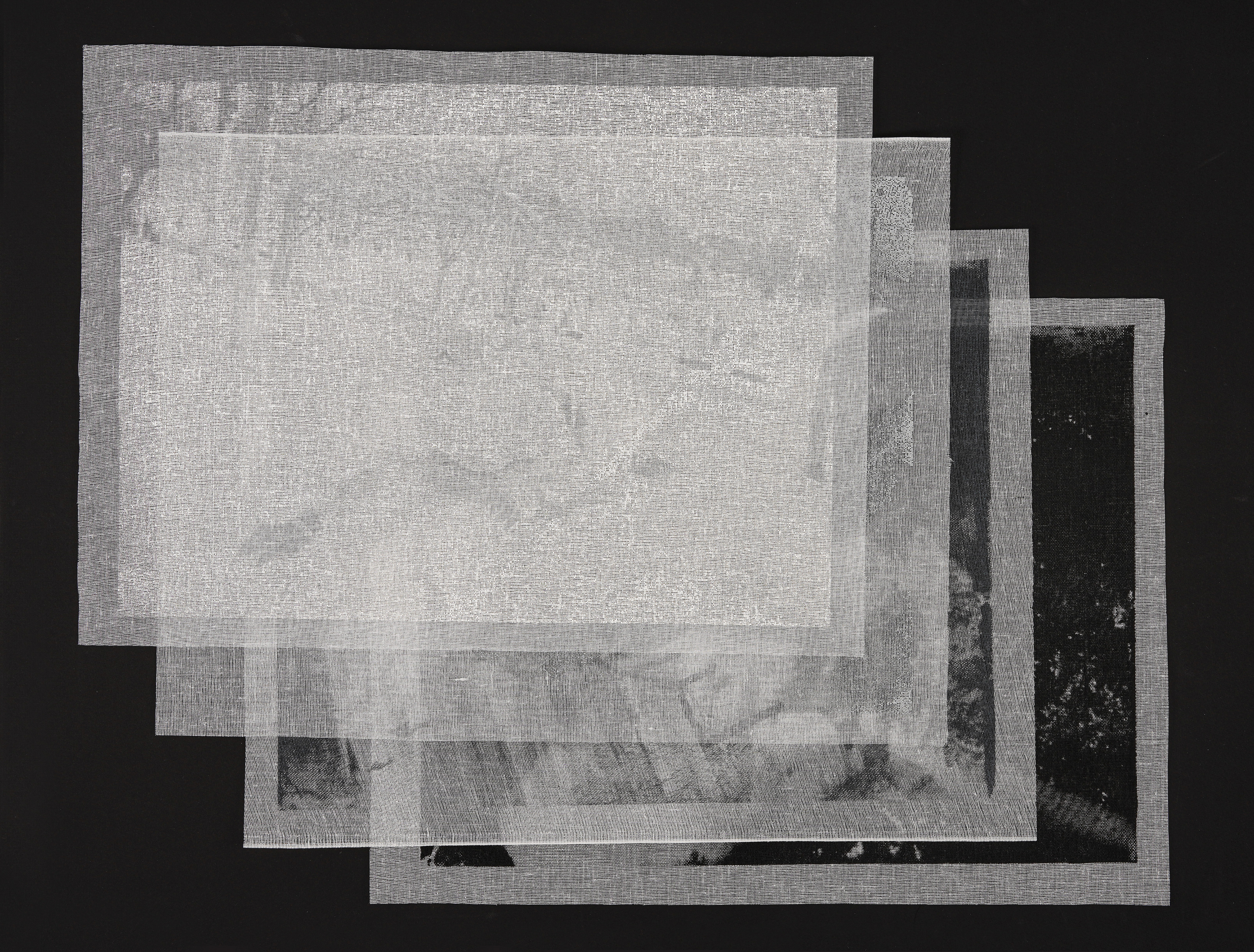
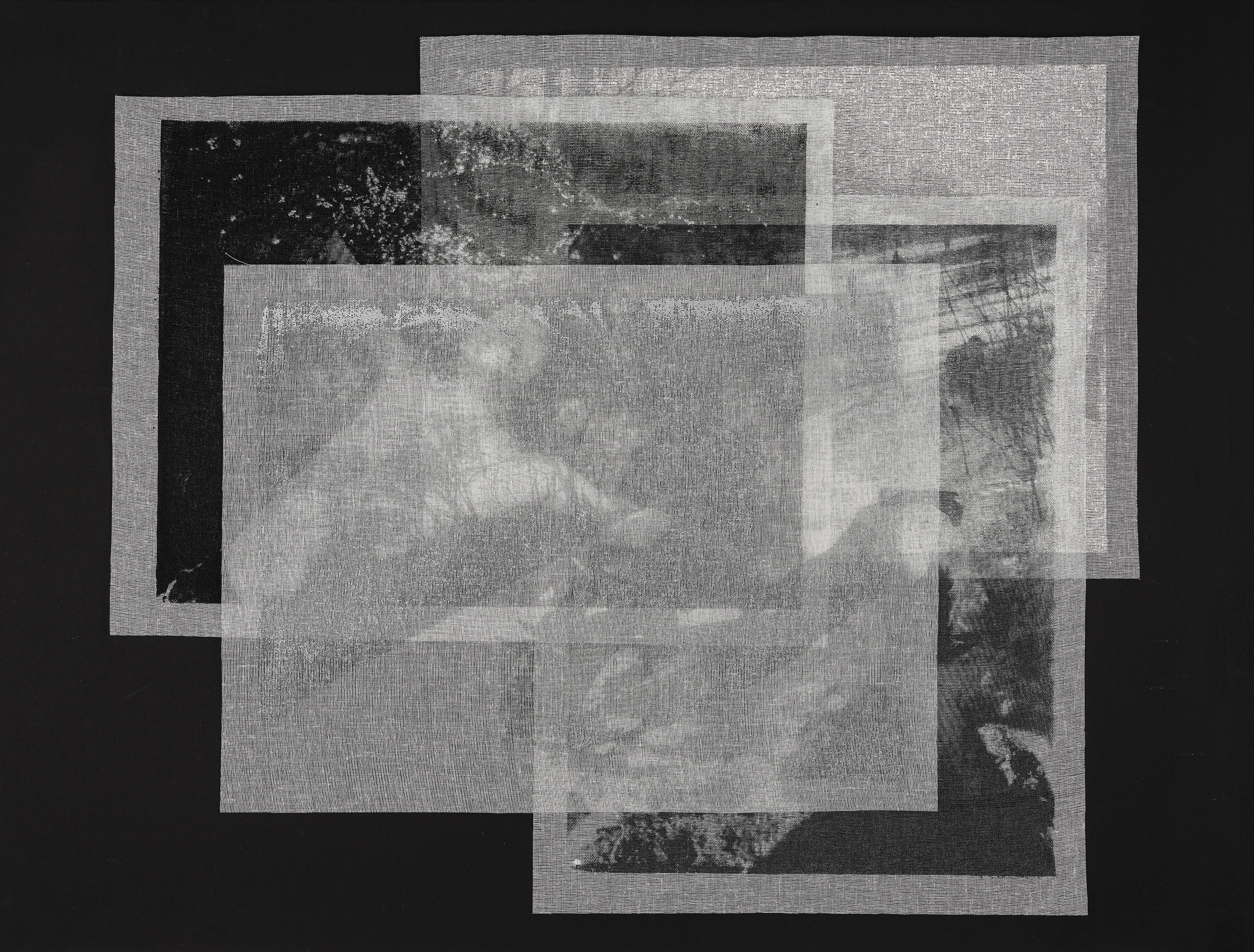
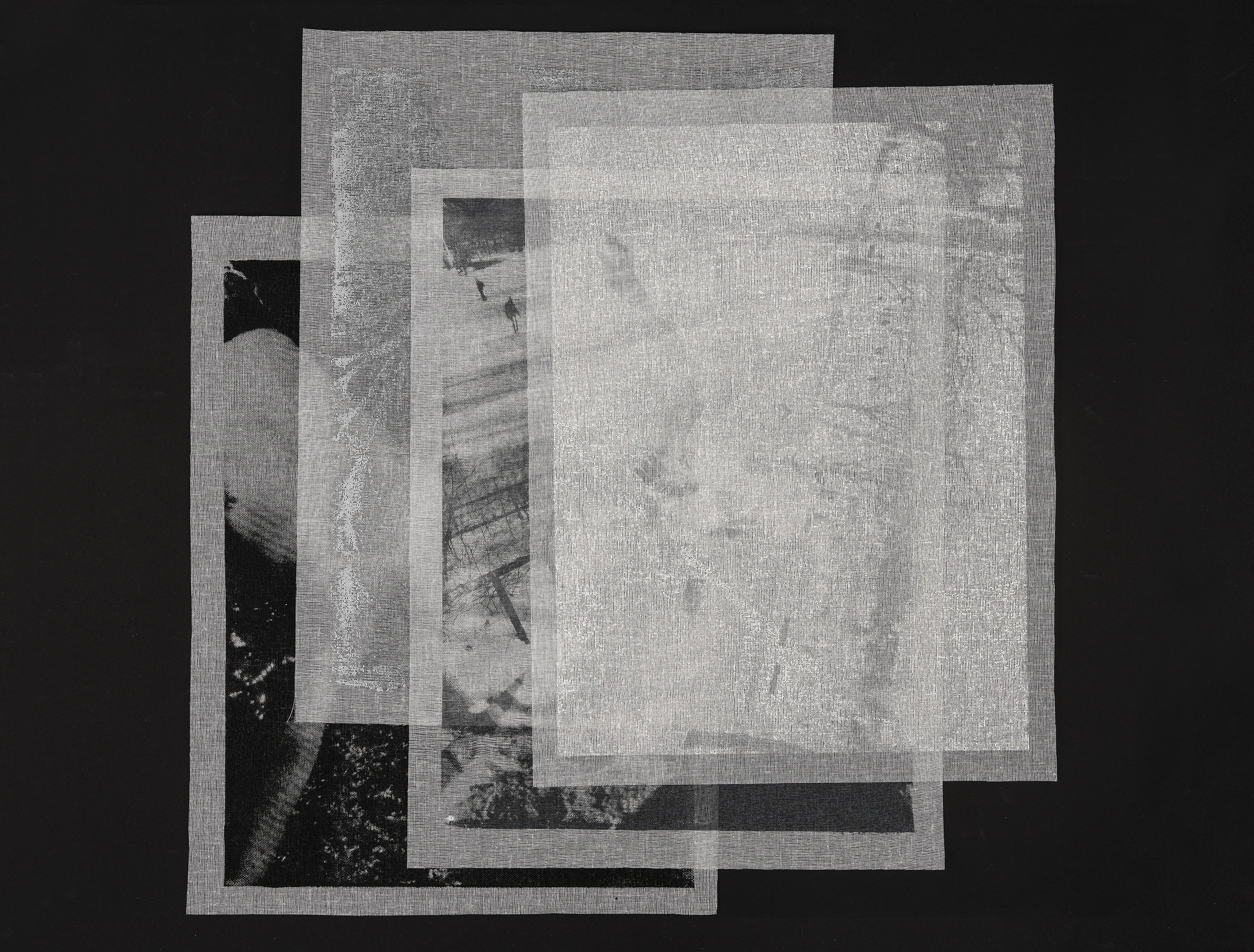
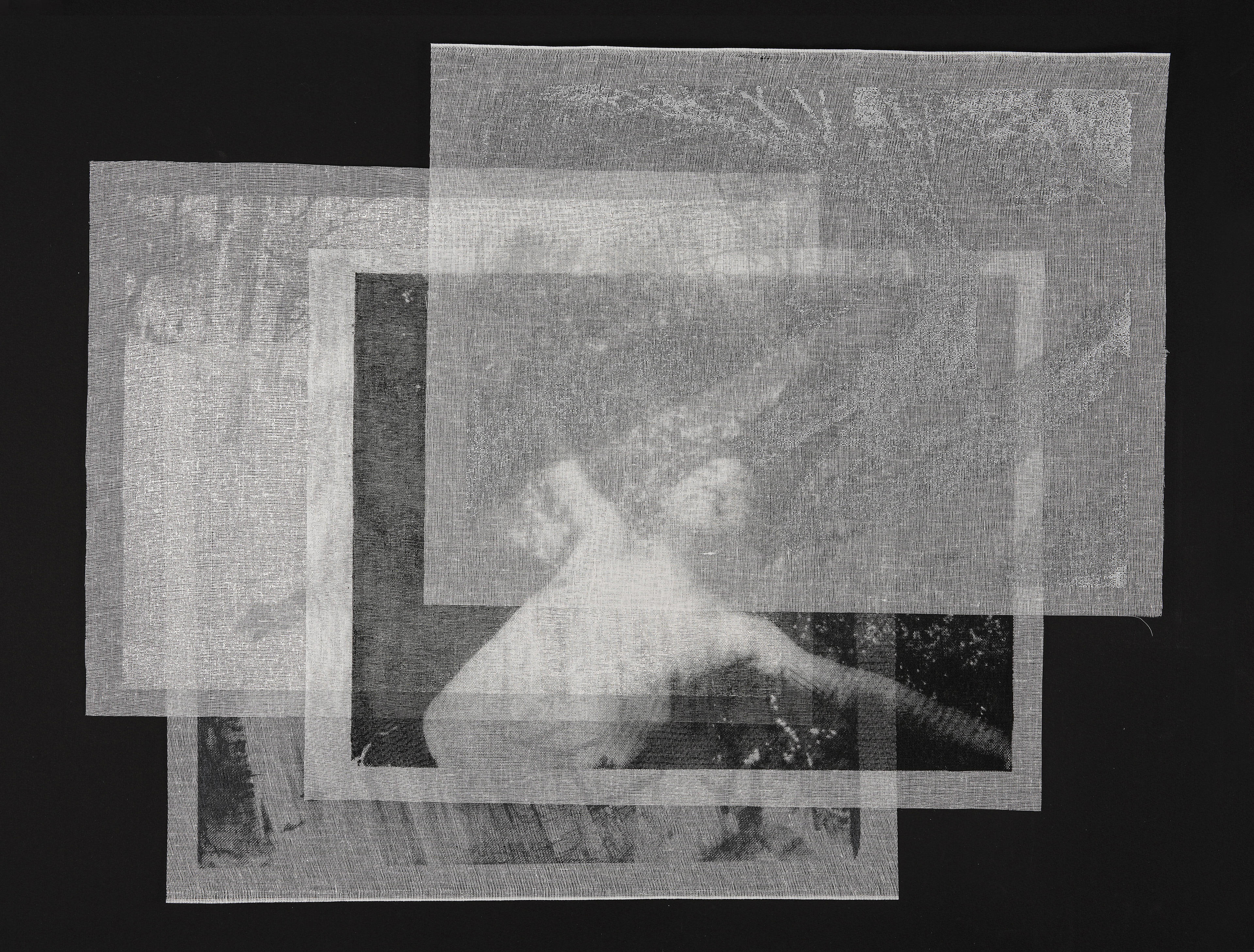
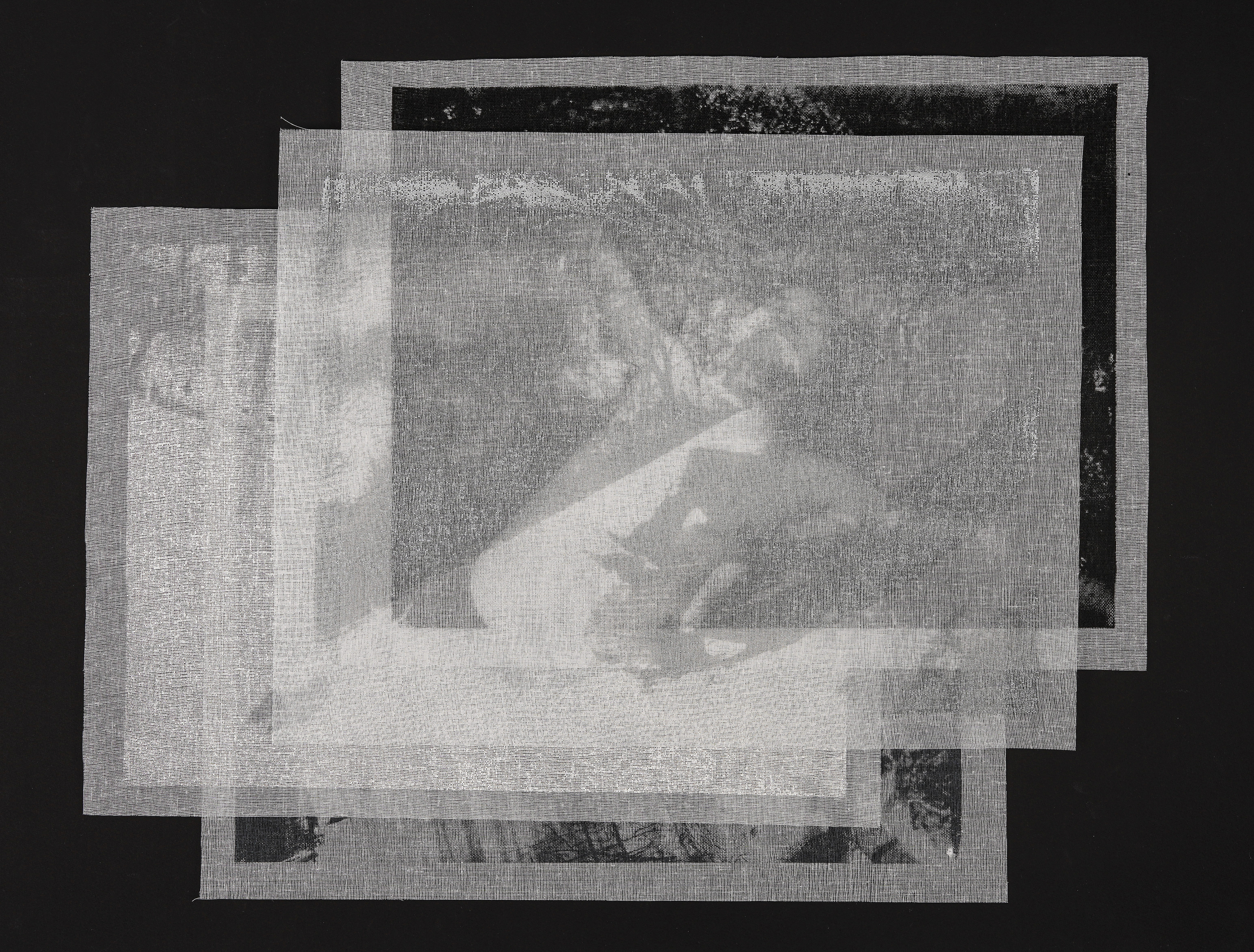
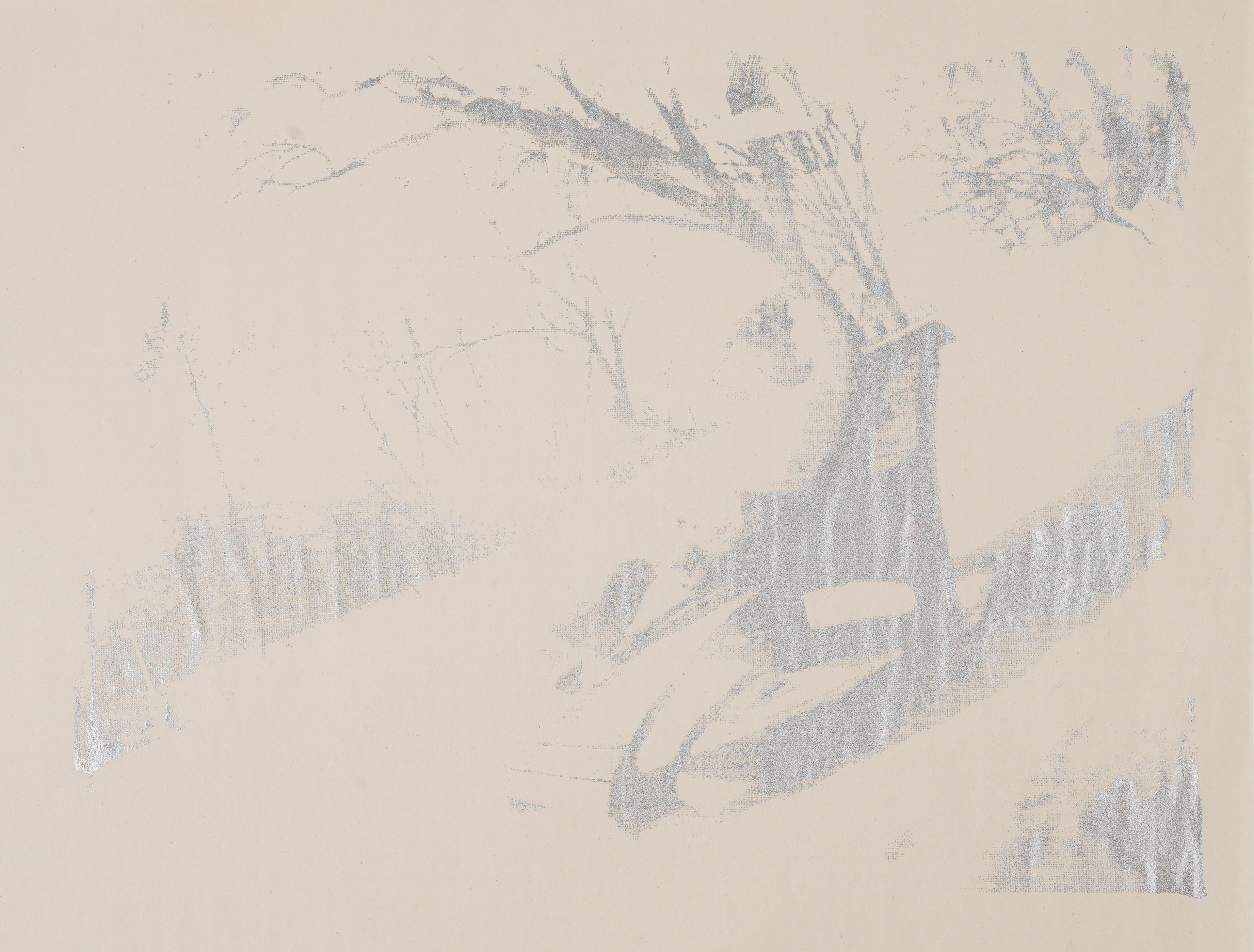
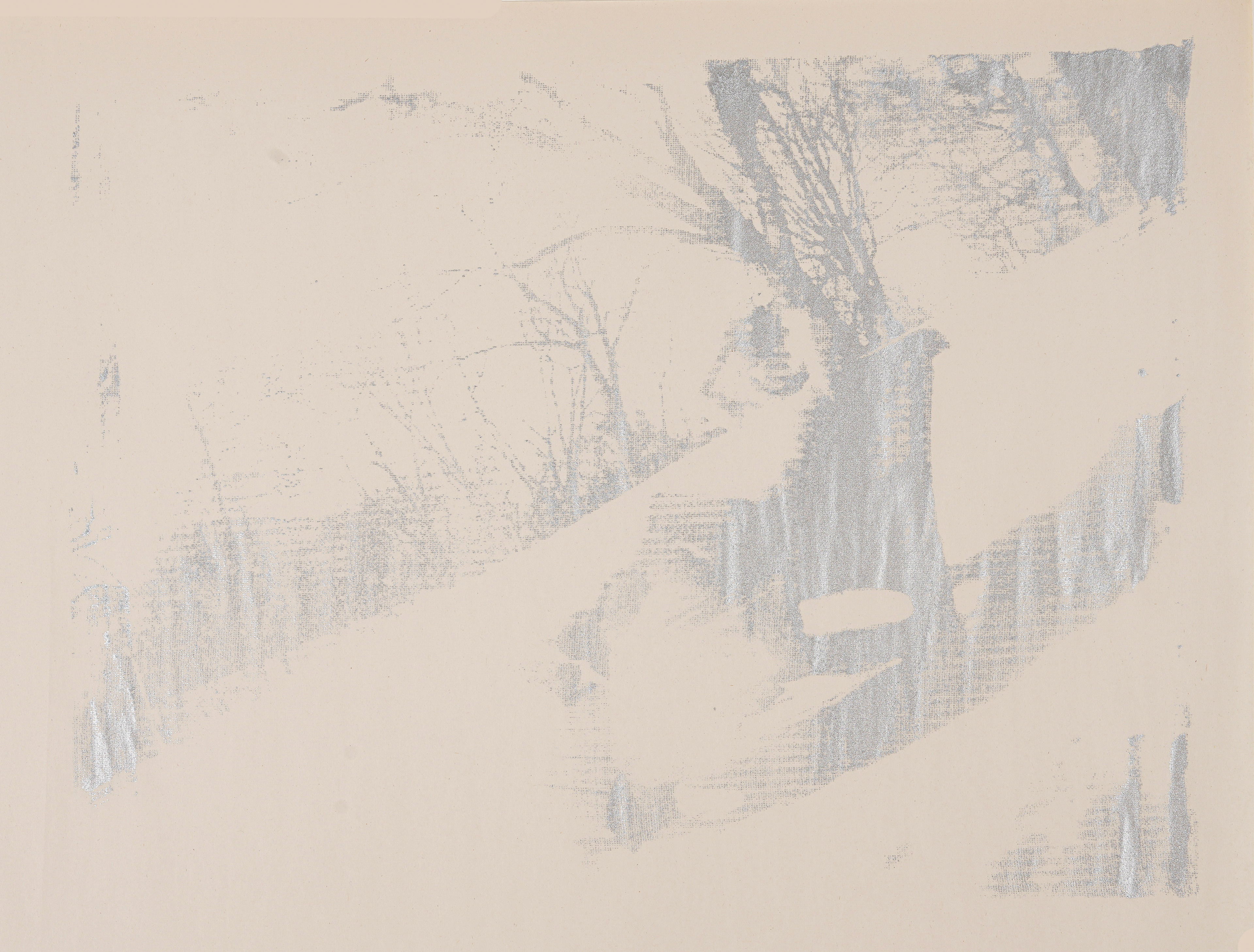
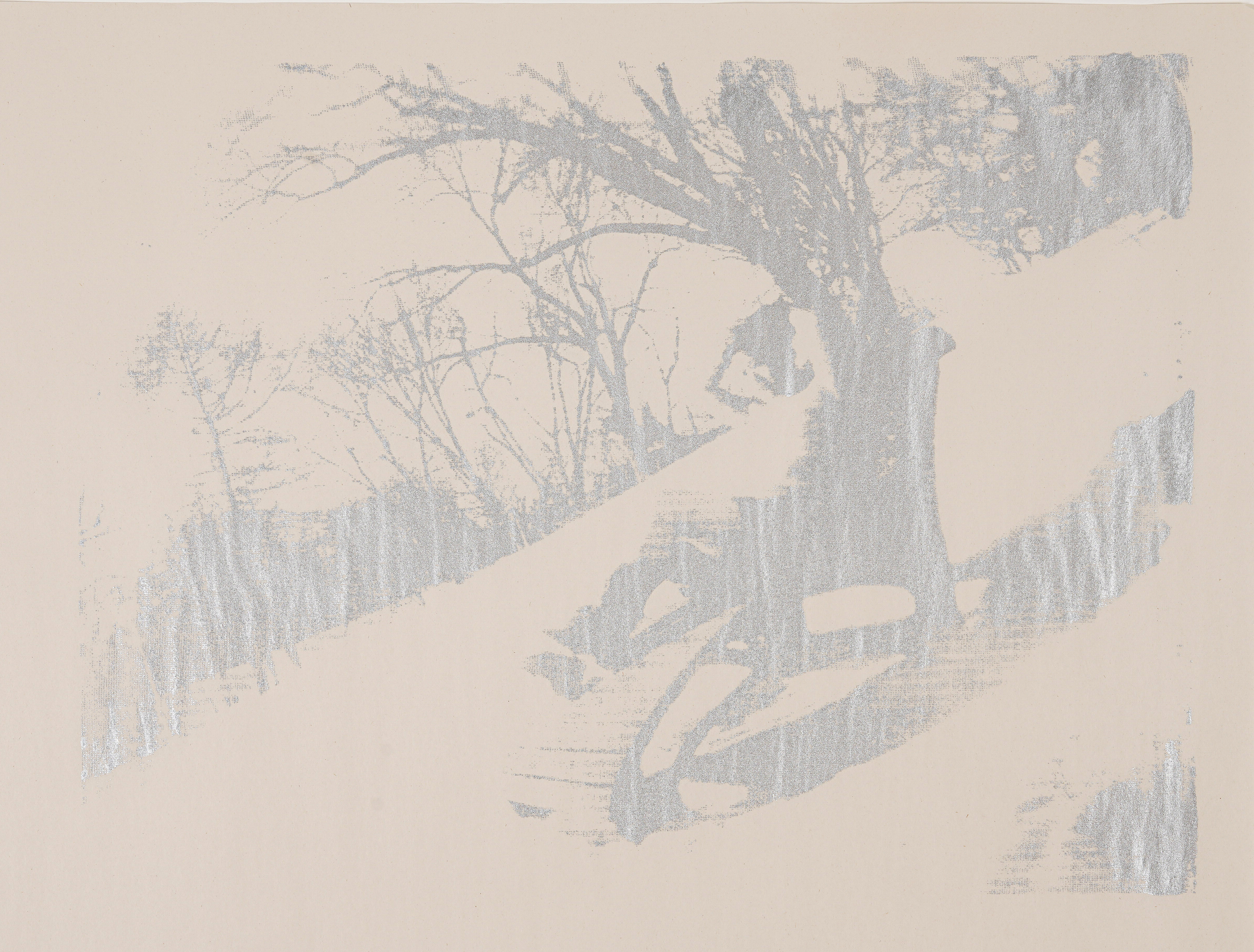
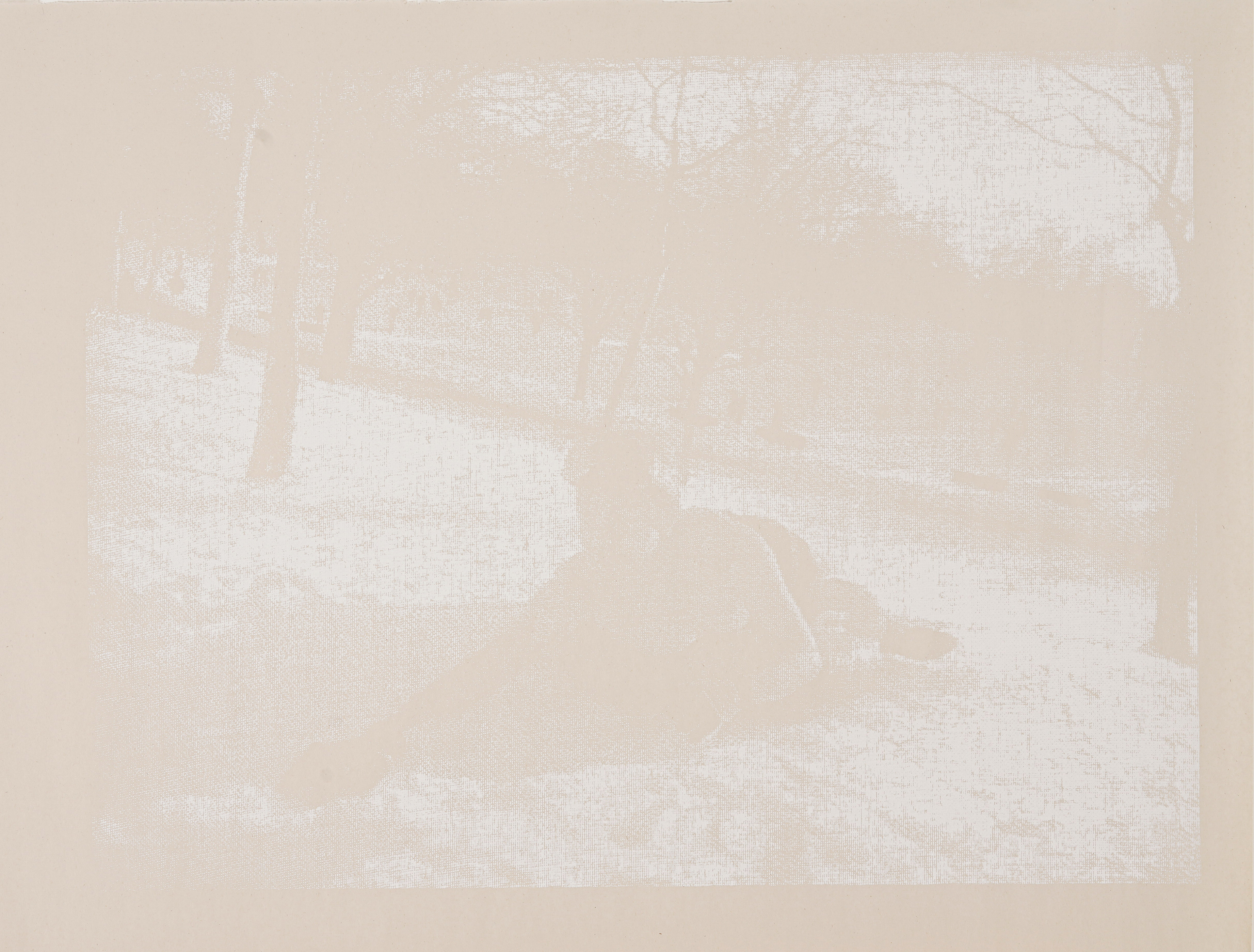
The piece translates these images through layers of tarlatan, a material traditionally used in printmaking to both remove and redistribute ink. Here, four suspended layers hold progressively darkened impressions of a photographic negative. The top layer, printed in white, a breath against snow, while each subsequent layer accumulates density, shadow, and weight.
These layers operate as both image and condition. Snow is not a blankness but a stratification: compacted, shifting, uneven. Similarly, the body is not simply revealed or transformed, but negotiated through accumulation and erosion. The act of wiping, of pressing ink into crevices, mirrors a desire to both empty out and fill in—to scrape away what does not belong while simultaneously constructing a legible form.
Tarlatan becomes more than a tool; it performs the paradox of completion. It is the fabric that both takes away and makes visible, that unsettles the surface so that an image can emerge. Like snow, it obscures and holds. Like the body, it carries the marks of friction, pressure, and abrasion.
Fish in Winter lingers in that unresolved state: not yet transformed, not fully escaped, but held within layers of resistance.
Le Lin
2026
Silkscreen on Tarlatan
Each print: 17” x 22”
Photographer (on 35mm film): Charles-Éli Laurin
In February of 2025, I had a photoshoot taken in winter, before my top surgery, -20 degree weather, a moment suspended between exhabiting and discomfort. Where post-operative images are often staged in warmth, on beaches, under sun, these photos turn toward cold, toward a landscape that does not comfort.
The piece translates these images through layers of tarlatan, a material traditionally used in printmaking to both remove and redistribute ink. Here, four suspended layers hold progressively darkened impressions of a photographic negative. The top layer, printed in white, a breath against snow, while each subsequent layer accumulates density, shadow, and weight.
These layers operate as both image and condition. Snow is not a blankness but a stratification: compacted, shifting, uneven. Similarly, the body is not simply revealed or transformed, but negotiated through accumulation and erosion. The act of wiping, of pressing ink into crevices, mirrors a desire to both empty out and fill in—to scrape away what does not belong while simultaneously constructing a legible form.
Tarlatan becomes more than a tool; it performs the paradox of completion. It is the fabric that both takes away and makes visible, that unsettles the surface so that an image can emerge. Like snow, it obscures and holds. Like the body, it carries the marks of friction, pressure, and abrasion.
Fish in Winter lingers in that unresolved state: not yet transformed, not fully escaped, but held within layers of resistance.